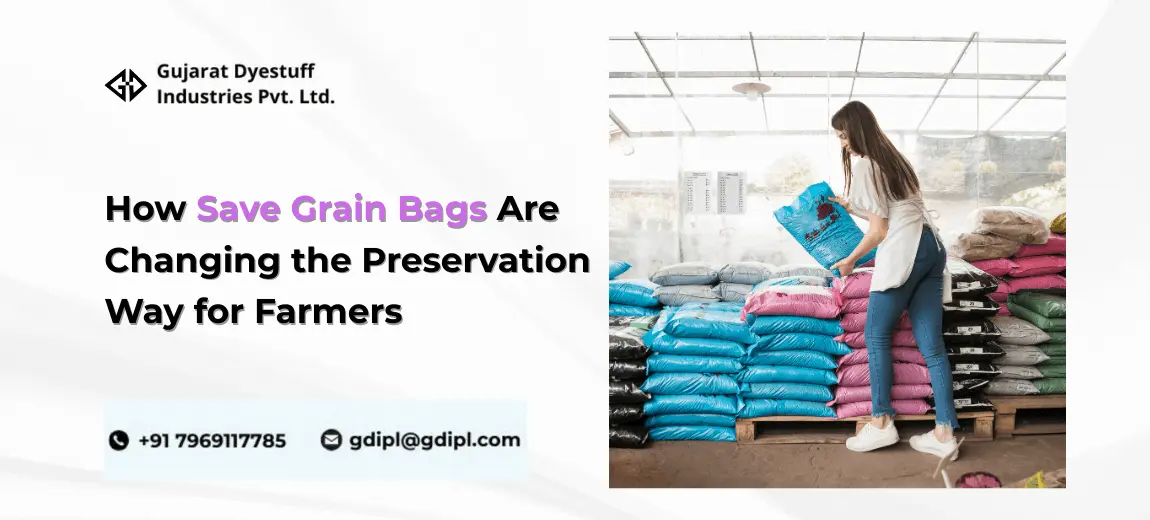
Why Agricultural Bags Are Essential for Modern Farming
September 6, 2025
Views : 2706
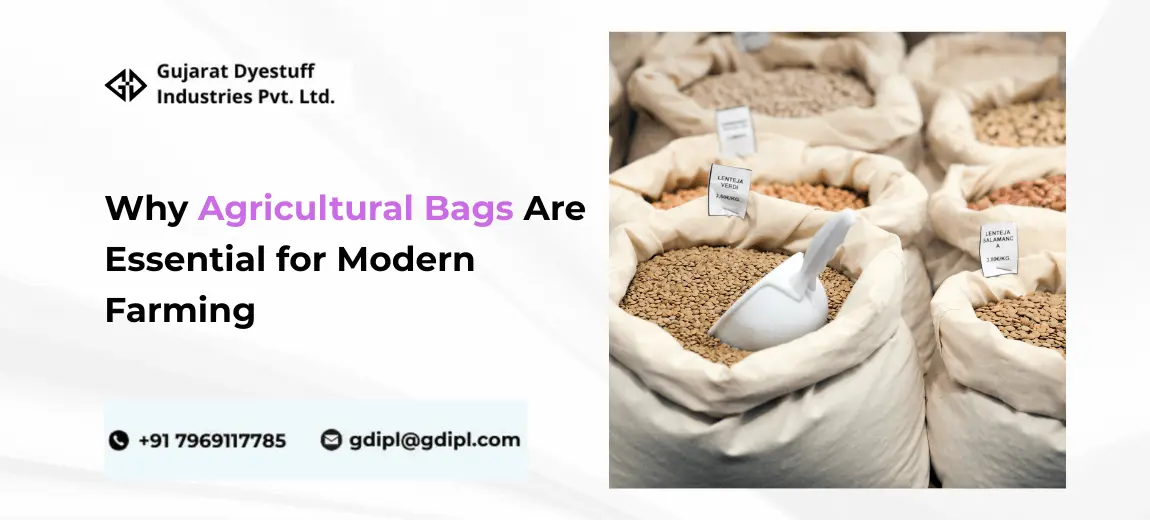
Agriculture has always been a staple of humanity.
It has adapted throughout history from our ways to store grains in early civilization to today's sophisticated storage. In addition, transportation methods are aimed at making agricultural production more efficient and sustainable.
In addition, transportation methods are aimed at making agricultural production more efficient and sustainable.
In a climate with an unusual amount of catastrophes, agriculture has always responded to those pressures. Agricultural bags are an evolving technological tool that facilitates agricultural productivity, sustainability and profits.
Agricultural bags have become an astounding asset to agricultural processes. Not just an ordinary package or container.
Agricultural bags can address a number of challenges that a farmer faces, ranging from protecting their grains from reduced moisture levels, managing post-harvest losses, or moving crops safely from farms to markets.
Among the several innovations of agricultural management practices, save grain bags offer producers methods for saving harvests for several months without reducing their structural integrity.
In this blog, we will explore why agricultural bags exist in today's food production context. Also, the different types of agricultural bags, their benefits and disadvantages, and how agricultural bags may play a role in achieving food security for the world.
The Role of Agricultural Bags in Modern Farming
The agricultural sector is focused on allowing tons of crops to be stored and transported safely.
While there are still silos, warehouses, and cold storage locations necessary in the industry.
Not all farmers are able to access these methods, and many farmers cannot afford these services on a small, medium, or potentially larger level.
Agricultural bags provide a simple and practical answer.
- They help preserve crops against pests, fungi, and moisture.
- They reduce wastage by allowing for airtight and weatherproof storage.
- They ease transportation by allowing for durable and stackable fill packaging.
Thus, by reducing post-harvest losses with agricultural bags, farmers are making money and supplying food abundantly in markets.
The global demand for food is on the rise, and simple methods, like save grain bags, are proving to be imperative in closing the gap between harvest and consumption.
Why Old Methods Are No Longer Enough
In the past, farmers relied on jute bags, wooden boxes, or simple storage huts to store grain. While these methods worked then, they are now inadequate for today's farmers at a time when they deal with:
- Grain spoilage from moisture
- Rodent infestation
- Severe transport loss
- No long-term preservation option to store their harvest for any duration.
These excuses have driven the adoption of better solutions.
Agricultural bags have solved these problems and offer science-based, environmentally safe and durable storage solutions.
For example, safe grain bags provide months of storage for cereals and pulses without harmful preservatives.
Types of Agricultural Bags
Modern agriculture utilises various agricultural bags that are designed for specific use from many common types, which include:
1. Grain Bags
Grain bags are heavy-duty bags that are used to store grains such as wheat, rice, maize, and pulses that are harvested. Save grain bags are the popular choice as they have multiple layers of protection and preserve the quality for an extended period of time.
2. Fertiliser Bags
Fertilisers play a key role in increasing crop yield, and therefore, they require appropriate packaging, which provides moisture protection. Agriculture bags that are used for fertilisers are UV-resistant as well as strong enough to prevent spilling.
3. Seed Bags
Seeds are sensitive to moisture and pests. Therefore, packaging bags that are specific to storing seeds have compartments, to protect the seed lining that provides protection and keeps seeds viable until the time of planting.
4. Feed Bags
Livestock farming requires large quantities of feed. Heavy-duty, woven bags are great options to retain the freshness best for your feed and are easy to transport.
5. Multi-Purpose Poly Bags
These bags can be used for a number of uses, including the packaging of grain and vegetables and also soil or compost.
Agricultural bags from various categories have integrated themselves well in the whole farming cycle, from sowing, harvesting, to distribution.
Advantages of Agricultural Containers
1. Diminished Post-Harvest Loss
14% of total food production is lost as a result of post-harvest loss globally. In many countries, a lack of storage infrastructure exacerbates the issue. Save grain bags helps mitigate the losses due to airtight storage that prohibits fungal growth, insect damage, and spoilage.
2. Cost-Effective Option
It is expensive either to build a warehouse or a silo. Agricultural bags are much more affordable for the small farmer, as they are capable, and purchasing in bulk is inexpensive.
3. Better Shelf Life
With state-of-the-art bagging technology, modern bagging has come a long way regarding crop shelf life. Crops held in sealed grain bags retain their nutritional value, colour, and taste for a prolonged time; therefore, even if the farmer waits until the market price to sell, being paid a fair price is assured.
4. Environmentally-Sound
Most agricultural bags today are recyclable and eco-friendly. Contrary to old-style plastic sacks that can hurt the environment, many new options are manufactured for sustainability.
5. Manipulation and Transporting
Agricultural bags are typically the lightest option, fit in the smallest of spaces, are flexible, and stackable. They are perfect for transport when travelling great distances, either by road, rail, or boat.
How Agricultural Bags Help Farmers Be More Profitable
While food security is paramount, profitability is the second most pressing issue for farmers.
Prices can fluctuate significantly throughout the year, and with many farmers forced to sell immediately after harvest, they are forced to accept much lower prices.
With save grain bags for storage, farmers have the flexibility to choose when to sell.
This flexibility improves profit margins and strengthens agriculture overall! Innovative solutions, such as save grain bags.
It also helps to minimise losses by extending the shelf life of harvested products. And this will help farmers manage their position in the market more strategically.
The Future of Agricultural Bags
The trend will only see an increase in demand for effective, environmentally friendly storage solutions. Some trends likely to see growth include:
- Smart bags that include sensors that monitor humidity, temperature, and oxygen.
- Biodegradable Agricultural Bags to reduce the environmental impact.
- Customised save grain bags for different varieties of crops.
As farming moves further into the realm of technology, agricultural bags will go from a simple storage solution to an intelligent system that actively monitors storage conditions and preserves the quality of food for several months.
Conclusion
Modern agriculture is just as much about preservation as it is about production.
Even if a farmer has a bountiful harvest, it can ultimately be wasted without dependable storage.
Therefore, agricultural bags have become a vital component of contemporary agriculture.
Agricultural bags provide value in every step of a farmer's production cycle by preventing post-harvest losses, maximising profitability, and ensuring food security in an ever-growing population.
Among agricultural bags, save grain bags have introduced game-changing resolutions to farmers and aid them in protecting their labour and achieving a better return on their investment.
At GDIPL, we realise that innovation will be the future of agriculture.
GDIPL is committed to providing the highest quality, sustainable, and functional bagging solutions as we protect agricultural producers and contribute toward global food security.
Frequently Asked Questions
As discussed in industry publications, typically, bags used for the agricultural industry are made from durable weave materials such as woven polypropylene, polyethylene, laminated paper, jute, or cotton – all of which are chosen for their durability, pest and environmental protection—a great option to use.
Save grain bags are a sealed bag that protects grain in an airtight fashion—keeping moisture, insects, mice, and mold from degrading stored grains. In turn, with the grains stored in an airtight environment, the shelf life increases and management can minimize post-harvest losses.
Materials such as woven polypropylene allow agricultural bags to be reused a number of times, depending on their condition and how they were handled. This allows for less waste and cost savings over time.
Many agricultural bags are made with recyclable materials (ex, woven polypropylene), but whether the bags are environmentally friendly depends on the lifecycle—if the agricultural bag is reused, recycled or disposed of in a proper way.
Agricultural bags come in a variety of types—grain storage bags, seed bags, fertiliser bags, and feed bags—all of which are designed for the proper agricultural product and need.
Overall, there are several elements to consider when selecting one of the many agricultural bags—we need to identify the type of product (grains, seeds, fertiliser), the storing timeframe, the environmental conditions, and if there is a need for moisture barriers, ventilation, or UV protectant.
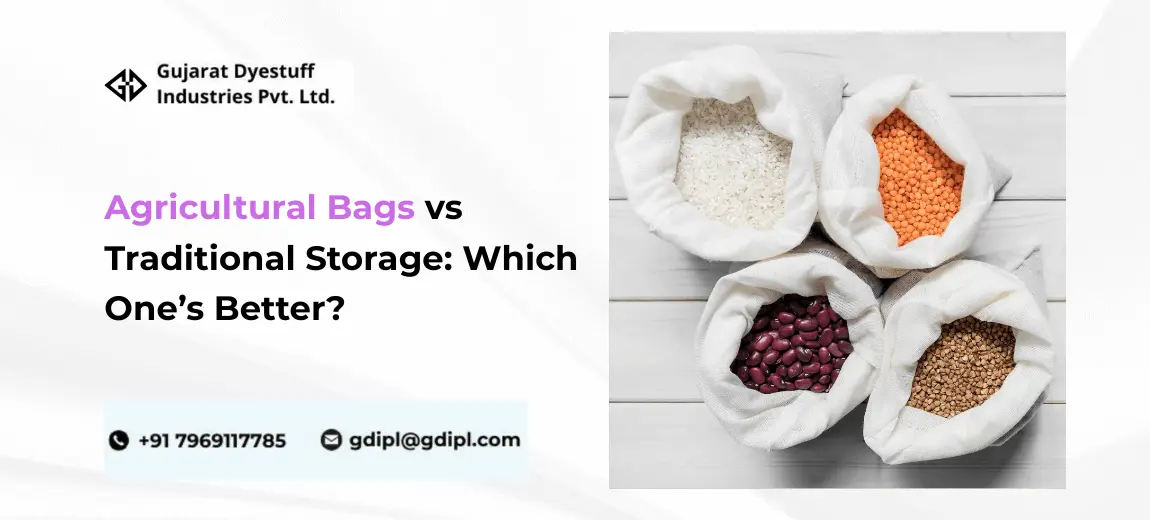
Agricultural Bags vs Traditional Storage: Which One’s Better?
Previous PostHow Save Grain Bags Are Changing the Preservation Way for Farmers
Next Post