How to Choose the Right HDPE & PP Woven Sack Manufacturer
January 5, 2026
Views : 1497
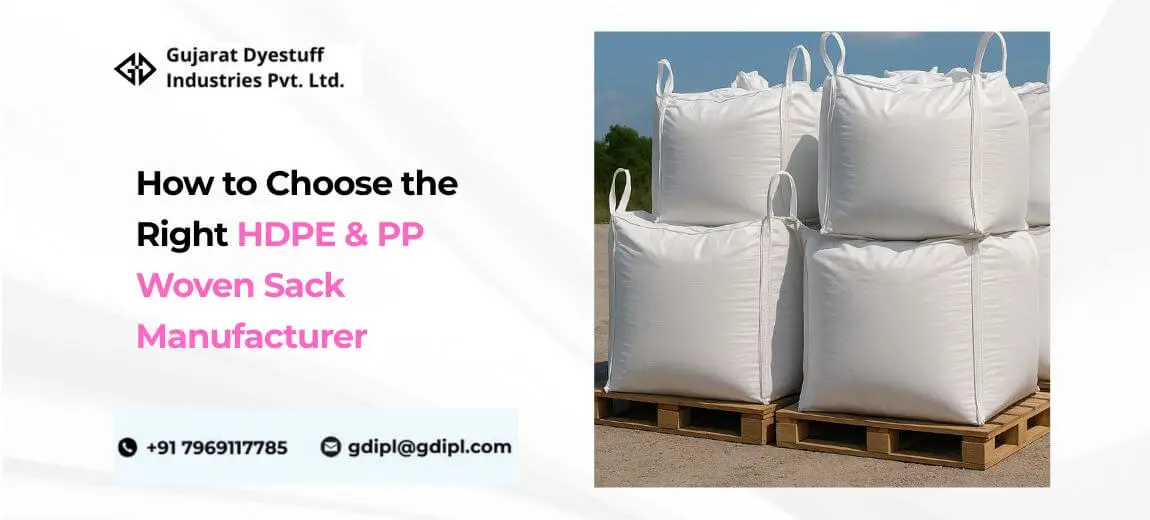
Choosing the right HDPE & PP woven sack manufacturer is a critical decision for businesses that require durable, versatile, and cost-effective packaging solutions. Whether you're in the agricultural, industrial, or logistics sector, selecting the appropriate woven sack supplier can significantly impact your product’s storage, transportation, and overall presentation. In this blog, we’ll walk you through the key factors to consider when choosing the right manufacturer, the benefits of HDPE and PP woven sacks, and how to make an informed decision that aligns with your business needs.
Importance of Choosing the Right Manufacturer
When selecting a woven sack manufacturer, businesses must prioritize both product quality and reliability. The right manufacturer ensures that the woven sacks are made to the highest standards, offering the durability, strength, and flexibility required to protect the goods they carry. Woven sacks are typically used for packaging grains, seeds, fertilizers, construction materials, and other bulk items. Choosing the wrong manufacturer could lead to issues such as poor-quality sacks, inconsistent sizes, weak seams, and potential product damage during transportation.
A reliable manufacturer will deliver consistent quality and meet your specific requirements for design, size, and material. As a result, you can expect your products to be safely packaged, and your brand's reputation will be maintained through high-quality packaging.
Industry Trends and Key Insights
The global woven sack market is growing, driven by increased demand for environmentally friendly packaging, particularly in the agricultural and industrial sectors. Here are a few key trends and insights that are shaping the industry:
1. Sustainability Focus
With increasing environmental awareness, many businesses are opting for sustainable packaging solutions. HDPE and PP woven sacks are both recyclable and reusable, making them a popular choice for eco-conscious companies. Manufacturers that use recycled materials or offer eco-friendly production practices are in high demand.
2. Customization
Businesses now seek more customization options for their woven sacks. Whether it’s for branding, size, or specific features like UV protection or moisture resistance, manufacturers are offering more flexibility in product design.
3. Technological Advancements
Modern woven sack manufacturers are adopting advanced technologies in production to improve the strength, durability, and appearance of the sacks. The use of automated weaving machines and sophisticated stitching techniques ensures better product quality and consistency.
4. Cost-Effectiveness
Cost remains a primary factor for businesses when choosing a woven sack manufacturer. The increasing availability of PP and HDPE woven sacks that balance cost with durability has made them highly cost-effective compared to other types of packaging.
Practical Guidance for Choosing the Right Manufacturer
Now that we’ve covered the relevance of choosing the right manufacturer and the trends in the woven sack industry, let’s dive into the practical steps that will help you make an informed decision.
1. Material Quality
The material used in manufacturing woven sacks is one of the most important factors to consider. HDPE (High-Density Polyethylene) and PP (Polypropylene) are the two most commonly used materials. Both are strong, lightweight, and durable, but they have specific properties that may make one more suitable for your business needs than the other.
- HDPE is known for its rigidity and strength, making it ideal for products that require extra protection during storage and transportation.
- PP is more flexible and resistant to wear and tear, which makes it suitable for packaging bulkier items that might be exposed to moisture or harsh handling.
Ask potential manufacturers to provide detailed information about the
materials they use and any certifications related to product quality or sustainability.
2. Manufacturing Capabilities
A good manufacturer should have the capability to produce woven sacks in various sizes, capacities, and designs, depending on your needs. Whether you need PP HDPE woven sacks for agricultural products or packaging for heavy industrial materials, the manufacturer should be able to deliver the right type of sack.
Check whether the manufacturer has the necessary equipment for custom weaving, stitching, and coating processes. For example, UV coating or anti-static treatment can be essential for specific applications.
3. Customization Options
Customization is a growing trend in the woven sack industry. Ensure that the manufacturer offers options for branding, printing, or adding features such as breathable mesh, reinforced handles, or easy-to-close tops. Customization can make a significant difference in the appearance and functionality of your packaging.
4. Certifications and Compliance
Look for manufacturers that are compliant with relevant industry standards and certifications. This could include ISO certifications, environmental standards, or certifications for food safety if you're packaging food items. Certifications ensure that the manufacturer follows best practices in production and meets the quality and safety standards required for your industry.
5. Delivery and Lead Time
Consider the lead times and delivery schedules of potential manufacturers. Reliable manufacturers should offer transparent timelines for production and shipping. A manufacturer who can meet your deadlines consistently is essential to ensure that your supply chain runs smoothly.
6. Pricing and Cost Structure
The groundnut oil price 1 litre example of cost-effectiveness applies to woven sacks as well. Choose a manufacturer that offers competitive pricing without compromising on quality. Request quotes from multiple manufacturers and compare their prices, factoring in bulk discounts, shipping costs, and any extra charges for customization or special features.
Benefits of Choosing the Right Woven Sack Manufacturer
1. Reliable Quality
A reputable manufacturer will deliver high-quality woven sacks that meet the necessary standards. This ensures that your products are well-packaged, secure, and protected during storage and transit.
2. Enhanced Brand Reputation
When you choose a manufacturer that produces consistent, durable, and well-designed woven sacks, your brand will benefit from the positive perception of high-quality packaging. Consumers and clients appreciate well-packaged goods, which could influence their purchasing decisions.
3. Cost-Effective Solutions
Choosing the right manufacturer often results in better pricing, particularly when buying in bulk. Additionally, high-quality sacks reduce the risk of damages, which can lower replacement costs in the long run.
4. Eco-Friendly Practices
As sustainability becomes increasingly important, working with a manufacturer that follows environmentally friendly production processes or uses recycled materials ensures your packaging aligns with your brand’s commitment to sustainability.
5. Custom Solutions
The ability to get customized sacks for your specific needs can provide you with packaging that is not only functional but also aligned with your brand’s unique requirements. Whether you need specific colors, sizes, or features, customization adds a personal touch to your packaging.
Closing Thoughts
Choosing the right HDPE & PP woven sack manufacturer is essential for ensuring that your products are packaged efficiently, securely, and attractively. By considering factors like material quality, customization options, certifications, and delivery timelines, you can make an informed decision that benefits your business in the long run.
Premium woven sacks with a focus on durability and customization. Whether you need PP HDPE woven sacks or custom-designed sacks for specific purposes, we are committed to providing high-quality solutions for your packaging needs.
Contact us today for more information about our products or to place an order. We are here to help you choose the right packaging solution for your business.
Frequently Asked Questions
HDPE woven sacks are more rigid and offer extra protection, while PP woven sacks are more flexible and resistant to wear and tear. Both are used for different packaging needs depending on the product.
Look for manufacturers with good reviews, certifications (e.g., ISO), and a solid track record of delivering quality products on time. Transparency in pricing and delivery is also a sign of reliability.
Yes, many manufacturers offer customization options, including printing, size adjustments, and special coatings to meet your specific packaging needs.
Both HDPE and PP woven sacks are recyclable and reusable, making them eco-friendly options for businesses looking for sustainable packaging solutions.
The delivery time depends on the manufacturer and the size of your order. It's important to discuss lead times upfront and ensure they align with your production schedule.
Woven Polypropylene Sacks: Cost-Effective Packaging for Multiple Industries
Previous PostPP vs HDPE Woven Sacks: Which One Should You Choose?
Next Post