PP vs HDPE Woven Sacks: Which One Should You Choose?
December 10, 2025
Views : 1671
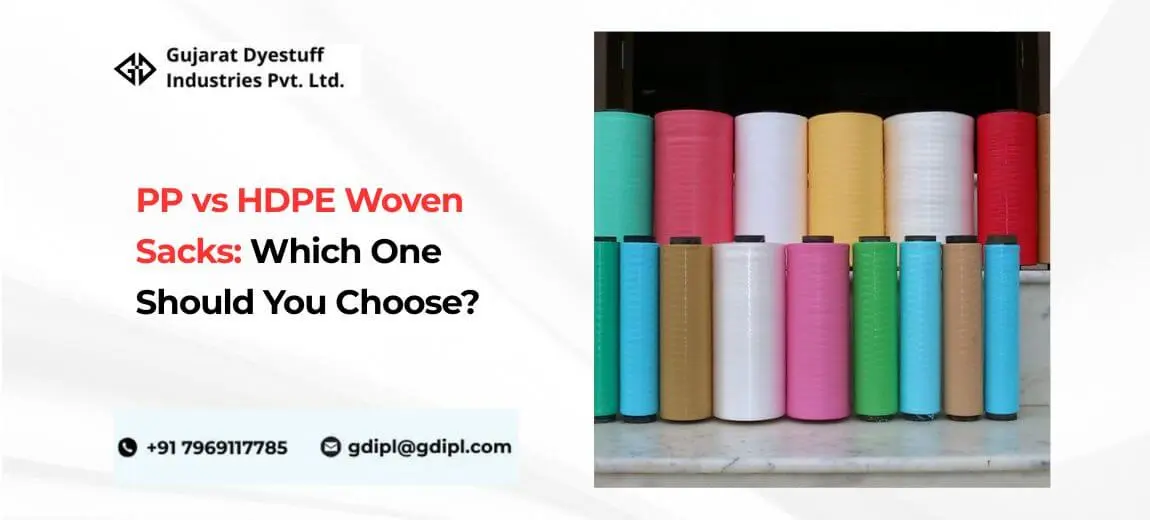
In the packaging industry, woven bags serve as essential to the secure and efficient handling, transportation, and storage of products. PP and HDPE are common materials used to make woven sacks. These are materials that have different characteristics, hence favorable for varied applications. Additionally, businesses have to choose between woven PP and HDPE bags.
This article explains the primary differences between pp hdpe woven sacks, including their benefits, suitable uses, and which material would be greatest for specific packaging needs. By the end, you'll be able to choose the right woven sack.
The Benefit of Choosing the Right Woven Sack
There are a number of reasons why choosing the right material for your woven sack is very important. It could affect the durability and cost efficiency, the ecological footprint of your package, and directly affect the supply chain efficiency and customer satisfaction. Whether it's grains, chemicals, or construction supplies, the sack's flexibility, strength, and protection are key.
The two most commonly used materials for woven sacks—PP and HDPE—will be discussed in this blog. You may make the right decision to get the most value for your money while still valuing the safety of your products if you are aware of the main distinctions and benefits of these materials.
Understanding PP Woven Sacks
What Are PP Woven Sacks?
A common thermoplastic polymer used in the production of woven bags is polypropylene. It is a popular option in many different industries due to its strength, lightweight design, or chemical resistance. Polypropylene fibers are woven into flexible, durable fabric, which is then sewed or sealed to create PP woven sacks.
Important Features of PP Woven Sacks
- High Strength: PP woven bags are perfect for packing bulk goods like grains, feed, and cement because they are strong enough to support high loads.
- Lightweight: These bags are extremely light, which improves usefulness and saves shipping costs.
- Chemical and Moisture Resistant: PP woven sacks are ideal for storing items that need further protection because they are resistant to the majority of chemicals, oils, and water.
- Versatile Uses: Food storage, fertilizer, construction supplies are just a few of the uses for PP woven bags.
PP Woven Sacks Advantages
- Cost-effective: PP woven bags are often less expensive than HDPE sacks, so they make them a wise option for companies on a tight budget.
- Customization Options: Businesses can identify themself with PP woven bags because they are very adjustable in terms of size, shape, color, and printing.
- Eco-Friendly Options: PP woven sacks are a sustainable choice for businesses trying to lessen their influence on the environment since they are created of recyclable polypropylene.
Understanding HDPE Woven Sacks
What Are HDPE Woven Sacks?
High-density polyethylene, or HDPE, is another common textiles used to create bags. By its own nature, HDPE is a highly durable, flexible, and impact-resistant polymer. due to this, it is commonly employed in the packaging sector to package items which need more rigidity. Similarly to PP woven bags, HDPE sacks are made of high-density polyethylene fibers.
Important HDPE Woven Sack Features
- Greater Tensile Strength: Unlike PP sacks, HDPE woven bags are more stiff and offer better resistance to stretching and deformation.
- UV Resistance: HDPE sacks are a great choice for outdoor storage and prolonged exposure to sunlight since they are resistant to UV damage.
- Durability: HDPE sacks are suitable for moving goods like chemicals, sand, or construction debris since they tolerate inclement weather.
- Puncture Resistance: HDPE woven sacks offer additional protection for abrasive or sharp objects since they are less likely to puncture.
Uses of HDPE Woven Sacks
- Increased Load-Bearing Capacity: Due to their flexibility, HDPE sacks have the capacity for supporting heavier loads.
- Durability in Adverse Environments: HDPE woven bags perform better in adverse environments such as high humidity, severe heat or cold, or UV light exposure.
- Longer Lifespan: Because HDPE containers usually last longer than PP sacks, they are suitable for heavy-duty or long-term applications.
Key Advantages Between PP and HDPE Woven Sacks
1. Durability and Strength
While both pp hdpe woven sacks are extremely strong, HDPE sacks are more durable and impervious to punctures, making them better choices for products that need further protection, such as abrasive or sharp objects. In contrast, PP woven bags are suited for less demanding applications due to its high level of flexibility.
2. Cost PP woven bags
HDPE woven sacks are often less expensive because of this, PP sacks are a great option for companies looking for a cost-effective option without compromising quality, especially when handling non-sensitive products like feed or grains.
3. Resistance to Chemical
While PP woven bags are more resistant to oils, acids, and alkalis, both materials are chemically strong. PP woven bags may be an excellent choice if your product is likely to be exposed to such contaminants.
4. Environmental and UV Resistance
Because HDPE woven sacks are UV resistant, they serve better in outdoors. They are perfect for long-term storage or outdoor transport because they are less likely to break down when exposed to sunlight for a long amount of time.
5. Personalization and Branding
It is possible to choose the size, shape, and printing of both PP and HDPE woven bags. However, because they are simpler to print on, PP woven bags usually offer more branding options, making them a popular option for businesses wishing to add their logos or designs.
Useful Advice: Selecting the Right Sack
- The type of product and the location in which it will be transported or stored will influence whether to use HDPE or PP woven sacks.
- PP woven sacks are usually the best option for lightweight, non-abrasive goods like grains, feed, or textiles.
- HDPE woven bags offer excellent durability and protection for heavier, sharp, or chemically sensitive goods like fertilizers, chemicals, or building debris.
Take into account the following whereas choosing a weaved sack:
- Product Characteristics: What supplies are you packing? Does it require further UV or moisture protection?
- Environmental Conditions: Will the sacks be stored outside or indoors? Will they be exposed to sunlight or severe weather?
- Budget: Do you have a limited amount of money? If price is an important factor, PP sacks can be a better choice.
Advantages for the audience being targeted
Choosing the appropriate pp hdpe woven sacks for packaging can have a big impact on B2B consumer environmental impact, product protection, and cost savings. Businesses can ensure that their products are safe, secure, and economical throughout the supply chain by choosing the right material.
Final Thoughts
Both HDPE and PP woven sacks have unique features and benefits that make them perfect for different applications. When deciding between the two, take into consideration your company's special needs, the kind of product you are packaging, and the environmental factors it will encounter.
Before making a choice, be careful about aspects like strength, pricing, chemical resistance, and flexibility. The best option will ultimately depend on your own goals and needs.
Visit our GDIPL right now to find out more about our selection of PP and HDPE woven sacks if you're searching for dependable, superior woven sacks for your company. Contact page to explore our range of HDPE and PP woven fabrics and learn more about how they can benefit your operations.
Frequently Asked Questions
While HDPE woven sacks are stiffer, stronger, and provide better UV and harsh condition resistance, PP woven sacks are more flexible, more affordable, and good for lightweight goods.
In fact, PP woven bags are frequently used for food storage due to their outstanding moisture resistance and affordability when keeping a lot of food.
Of course! Because HDPE woven sacks are UV-resistant, they are ideal for long-term exposure to conditions and outdoor storage.
Due to their durability and resistance to damage, HDPE woven containers are more resilient and perfect for heavy-duty applications.
In fact, PP woven sacks are recyclable, which makes them a green choice for companies looking to lessen their influence on the environment.
How to Choose the Right HDPE & PP Woven Sack Manufacturer
Previous PostTop Industrial Applications of HDPE & PP Woven Fabrics
Next Post