Top Industrial Applications of HDPE & PP Woven Fabrics
November 26, 2025
Views : 1826
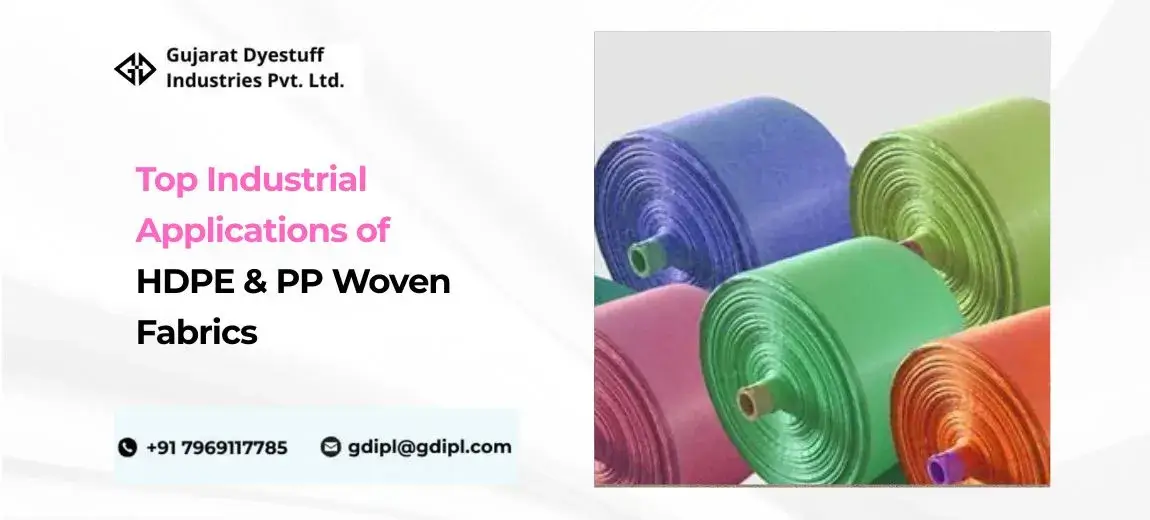
HDPE (High-Density Polyethylene) and PP (Polypropylene) woven fabrics are two of the most versatile, durable, and economical materials in the industrial textile domain. From agricultural uses and building construction to packaging and transportation, the usages of these fabrics are immense in a wide variety of sectors.
The varied applications of HDPE and PP woven fabrics make certain that any procurer, manufacturer, or other professional related to this particular industry will be able to make apt decisions related to material sourcing and usage by understanding their various industrial applications.
This blog covers the top industrial applications of HDPE and PP woven fabrics, along with their key benefits, as they form the key choice in many sectors.
Importance of HDPE & PP Woven Fabrics
HDPE and PP woven fabrics possess a wide property profile, including tensile strength and resistance to moisture and harsh environmental conditions, which make them suitable for all different industrial applications that require durability and reliability.
Whether for protective covers, packaging solutions, or agricultural uses, HDPE and PP woven fabrics offer a solution that provides both high performance and cost efficiency.
Key Benefits of HDPE and PP Woven Fabrics
- Durability: HDPE and PP fabrics are highly resistant to abrasion, tears, and UV degradation; thus they are very suitable for applications that call for long-term use.
- Lightweight and Flexible: These fabrics are lightweight and flexible despite their strength, making them easy to handle, transport, and set up.
- Water Resistance: The materials are water-resistant, which is particularly useful in applications that require protection against moisture, like agricultural covers or even construction tarps.
- Eco-friendliness: HDPE and PP are recyclable materials and thus sustainably viable in industries that are taking up consideration toward the environment.
Industry Trends and Key Insights
HDPE and polypropylene woven fabrics have been in great demand due to their wide range of applicability and also for their environmental benefits. Some of the major application sectors that have grown include agriculture and construction industries, together with packaging, as these materials are cost-effective, long-lasting, and low in maintenance needs.
The Demand for Sustainable Materials is Increasing
Perhaps one of the biggest trends associated with HDPE and PP woven fabrics has to do with the increasing trend towards sustainability. Many industries are now embracing greener alternatives, and HDPE and PP woven fabrics indeed are one of the best options available.
They not only provide toughness but also can be 100% recyclable to minimize plastic waste. In a world where more companies are looking to have sustainable measures within their operations, HDPE and PP fabrics have become the trend for companies to associate themselves with for green initiatives.
Increasing Adoption in Packaging
The major applications of woven fabrics are in packaging. Due to the emergence of e-commerce and ever-growing world trade, the demand for robust, inexpensive, and versatile packaging materials grows fast.
HDPE and PP woven fabrics are light but strong; hence, they can be used in the manufacturing of durable sacks, bags, and containers used in packaging. They offer extremely good protection against moisture, dust, and dirt during the transportation of goods.
Practical Advice: Key Applications of HDPE & PP Woven Fabrics
Some of the more common and practical applications that HDPE and PP woven fabrics have within industry are listed below.
1. Agricultural Applications
HDPE woven fabrics have several applications in agriculture. This includes crop protection, greenhouse covers, and ground covers. These have resistance to UV rays, making them very suitable for long-term protective covers that protect crops against severe sunlight and environmental factors.
They have excellent drainage and aeration properties, which are quite vital for healthy growth and development of plants.
2. Building and Construction Sector
PP woven fabrics find applications as geotextiles in the construction industry: in ground stabilization, drainage systems, and erosion control. These fabrics are ideal for soil reinforcement, erosion prevention, and stability, considering the high strength-to-weight ratio they provide in certain structures like roads, embankments, and drainage systems.
Other HDPE fabrics are used for protective covers on sites for their protection against weather and environmental elements.
3. Packaging Solutions
HDPE and PP woven fabrics are manufactured into very strong and durable sacks, bags, and containers for packaging goods. With such a wide scope of applications in the food and beverage industries, these kinds of woven fabrics serve excellently for packing bulk materials like grains, flour, and sugar.
The resistance of fabrics to moisture and tear protects the products during transportation and storage.
4. Transportation and Logistics
Woven fabrics find wide applications in transportation and logistics industries in the manufacturing of tarpaulins, covers, and cargo bags. These fabrics protect goods from the external elements like rain, dust, and UV exposure to ensure that cargo reaches its destination with minimal damages.
HDPE woven fabrics are a lot more popular for that because of their strength and ability to resist rough handling.
5. Waste Management
HDPE and PP woven fabrics are also utilized in the waste management industries during the production of protective liners for landfills and other containment facilities for wastes. The fabrics prevent leakage of hazardous materials into the environment through an impermeable barrier.
They are also employed in the production of waste collection bags and containers since they can bear high volumes of wastes without any tear or leakage.
Benefits of HDPE & PP Woven Fabrics to Your Business
These HDPE and PP woven fabrics represent some of the highly utilized materials within your operations, ensuring wide-ranging benefits that will drive efficiency, reduce operation cost, and improve product quality. Let's break down some key advantages:
- Cost-effectiveness: Woven fabrics are normally much cheaper than any other textile materials available, thus providing an excellent option for companies in reducing production costs without necessarily compromising on quality.
- Longevity: HDPE and PP woven fabrics have a very long life expectancy because of their resistance to environmental factors such as moisture, UV rays, and abrasion. Therefore, this will ensure that replacements may not be frequently needed.
- Versatility: From packaging, construction, and agriculture to waste management, HDPE and PP woven fabrics are considered versatile materials that find application in the industry.
Closing Thoughts
HDPE and PP woven fabrics remain some of the most contemporary industrial textile materials since they are strong, flexible, and environmentally friendly. This further helps explain why applicability in sectors as far apart as agriculture to packaging underlines their relevance in modern industrial practice. Applications involving HDPE and PP woven fabrics are slated to grow as more companies strive to find ways to produce goods in increasingly sustainable and cost-effective manners. Knowledge about their uses and major benefits they entail will help you make superior choices when deciding on materials for industrial purposes.
If you’re looking for high-quality HDPE woven fabrics or polypropylene woven fabrics for your business, Gujarat Dyestuff Industries Pvt. Ltd can provide the perfect solution. Visit our contact page to explore our range of woven fabrics and learn more about how they can benefit your operations.
Frequently Asked Questions
HDPE (High-Density Polyethylene) and PP (Polypropylene) woven fabrics are made from synthetic polymers, which are processed into strong, durable fibers and woven into fabric.
These fabrics are widely used in agriculture, construction, packaging, transportation, and waste management due to their durability, water resistance, and strength.
HDPE and PP woven fabrics are designed for long-lasting use. Their resistance to moisture, UV rays, and abrasion ensures they have a prolonged lifespan, making them ideal for both indoor and outdoor applications.
Yes, both HDPE and PP fabrics are recyclable, making them an eco-friendly choice for businesses looking to reduce their environmental footprint.
Absolutely! HDPE and PP woven fabrics can be tailored to meet specific requirements in various industries, including custom sizes, colors, and specifications.
PP vs HDPE Woven Sacks: Which One Should You Choose?
Previous PostHDPE Woven Fabric Rolls: Price Factors, Buying Guide, and Applications
Next Post