HDPE Woven Fabric Rolls: Price Factors, Buying Guide, and Applications
November 21, 2025
Views : 1814
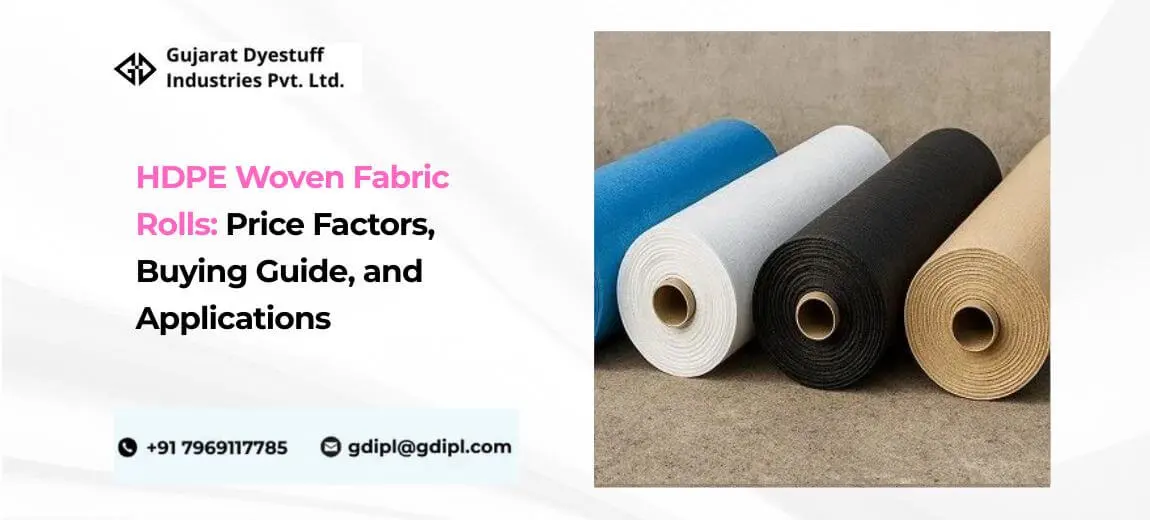
HDPE woven fabric rolls have wide applications in agriculture, construction, packaging, and textile industries. Long-lasting, versatile, and cost-effective, HDPE woven fabrics have become the lifeblood of many manufacturing processes.
Whether you are purchasing HDPE fabric rolls for your business or considering it for your next project, knowing the key factors that will affect the price and how to pick the right product is of prime importance.
In this blog, we consider some of the price factors that affect HDPE woven fabric rolls' pricing, take a closer look at the buying guide, and discuss the various uses of the product across a wide array of industries.
By the time you get to the bottom of this article, you will know just how to make a knowledgeable buy and precisely what to expect when buying HDPE fabric rolls.
Importance of HDPE Woven Fabric Rolls
HDPE-woven fabrics are vital raw materials for many industries because of their high strength, resistance to weather conditions, and relatively low cost. These fabrics are made by weaving strands of HDPE fibers that make the fabric robust in structure, hence suitable for applications that require durability and resilience.
Why is HDPE Woven Fabric Important?
HDPE woven fabrics are versatile, finding their application in a number of key areas:
- Agriculture: This is utilized in crop protection, ground covers, and irrigation systems.
- Packaging: Strong, reusable material for sacks, bags, and containers.
- Construction: Being a geotextile, it gives reinforcement to roads and buildings.
- Furniture and Home Goods Products: HDPE woven fabrics are used for producing strong outdoor furniture and home textiles.
Having high resistance to abrasion, besides resistance to chemicals, UV rays, and water, makes them very valuable in many industries where reliability and longevity are the keys.
Price Factors of HDPE Woven Fabric Rolls
The buying of HDPE woven fabric rolls requires certain information on various factors that will determine the cost of the product. Prices vary greatly based on certain factors: raw materials, processes of production, and market demand.
1. Quality of Raw Material
The major raw material used in the manufacture of HDPE woven fabric is high-density polyethylene. The quality of the raw material determines a great part of the product price. The higher the quality of HDPE resin one uses in production, the more costly the fabric will be. In addition, HDPE PP woven fabric, a variant using polypropylene, sometimes blended with HDPE, also influences price and material performance.
2. Weight and Density of Fabric
The weight and the density are directly related to durability and, in turn, the price of a woven fabric. Most heavy fabrics are expensive because of the high amount of raw material used in making them. Such fabrics are useful in providing good strength and tear resistance; therefore, they are suitable for highly demanding areas but at a higher cost.
3. Manufacturing Process
Several weaving techniques applied to HDPE fabrics can also influence the cost and quality. Advanced techniques, like coating or lamination, are normally more expensive because additional processing is involved. Application-specific HDPE fabrics, like UV-resistant HDPE fabrics, are costlier due to the added features.
4. Customization
Other factors that can influence HDPE fabric rolls pricing include customization options, like color, size, and coating. A woven fabric in a custom color, specially coated-e.g., waterproofed or flame retardant-can be more expensive due to the additional steps and materials in its production.
5. Volume Order
Order size is one of the most critical considerations in the purchase of HDPE woven fabric rolls. Large orders can, in most cases, attract discounts, simply because a manufacturer or supplier is able to offset the cost of production by economies of scale in larger-scale operations. Smaller orders are usually more expensive because the cost of unit production is higher.
6. Supplier and Location
Another determining factor for the price is the supplier and his location. Suppliers from regions with either low labor costs or closer to raw material sources tend to quote relatively more competitive prices. Sourcing regions with high costs of either labor or transport will probably push up the price per roll.
How to Choose the Right HDPE Woven Fabric Roll
Buying HDPE woven fabrics requires an understanding of the exact needs which a current project may have. Some of the key things to look out for in selecting the right HDPE fabric roll include:
1. Application
To start with, it is important to determine for what purpose the fabric is intended; that is, whether it would be applied in agriculture, packaging, building, among other uses. The selection of fabric depends, therefore, on the use it is meant for in order to get better performance.
For example:
- If it is for the purpose of ground cover, UV protection, or erosion control HDPE agricultural woven fabrics, then one should seek high-density and UV-stabilized fabrics.
- The packaging shall be made of HDPE PP woven fabric of appropriate strength and tear resistance, suitable for bulk storage and transportation.
2. Durability
You need to ensure that, depending on the environment within which it will be used, it meets certain specifications for durability. The HDPE fabrics can be treated with different coatings, such as weather resistance and flame retardancy, for appropriateness in various environments.
3. Thickness and Weight
As previously discussed, both fabric weight and thickness impact cost and performance. Determine the kind of load or stress a fabric is expected to endure and choose one that is of sufficient weight and strength for those conditions.
4. Customization Requirements
Any special sizing, colors or features such as flame retardant or waterproof coatings will need to be discussed with the supplier in advance of any order. Such an order would obviously be more expensive but will mean the fabric fits your exact requirements.
Applications of HDPE Woven Fabric Rolls
HDPE-woven fabric rolls are one of the most versatile fabrics used in various fields. The main sectors where HDPE woven fabric is applied include the following:
1. Agriculture
HDPE is the most common woven fabric used in agriculture, whether it be for ground stabilization, prevention of weed growth and erosion of the soil, protection of tender crops, or for irrigation systems. It is permeable to water while not allowing weeds to pass through.
2. Packaging
Woven fabrics made from HDPE are used in packaging industries for making a variety of long-lasting and reusable sacks, bags, and containers. They are strong yet light, resistant to moisture, and hence very useful for carrying bulk goods of grains, seeds, and minerals.
3. Construction
HDPE woven fabrics find their applications in the construction industry in various geotextiles for the reinforcement of soil and drainage systems. They are also used for the reinforcement of roads and embankments due to their high strengths and resistances against tears.
4. Furniture
HDPE woven fabrics find their application in the manufacture of outdoor furniture due to the need for durability and resistance to weather conditions. Its major advantage is that it resists all kinds of weather without decaying.
Closing Thoughts
HDPE woven fabric rolls serve as an important building material to many industries because of their strength, flexibility, and economic advantages. Knowing how to identify the determining factors in price, how to select the right product, and the various uses that fabrics can have will empower you in making smart purchases. Be it agriculture, construction, or packaging, HDPE woven fabrics stand as the best material for your needs.
Call to Action If you are ready to buy the best cold-pressed virgin coconut oil or HDPE woven fabric rolls for your business, then Gujarat Dyestuff Industries Pvt. Ltd. has premium products to get the job done. Contact us today to learn more about our offerings and how we can support your projects with premium materials customized to your needs.
Frequently Asked Questions
HDPE woven fabric is made from high-density polyethylene, which offers superior strength and resistance to chemicals and UV rays. PP woven fabric, made from polypropylene, is slightly less durable but more affordable for certain applications.
Heavier HDPE woven fabrics require more raw materials and are generally more expensive. These fabrics also offer better durability and strength, making them ideal for high-stress applications.
Yes, HDPE woven fabrics can be customized in terms of size, color, and coatings (such as UV protection or waterproofing). Custom orders usually come with a higher price.
HDPE woven fabrics are made from recyclable materials, making them an eco-friendly option compared to other synthetic fabrics. They are also biodegradable under certain conditions.
HDPE woven fabrics are used in agriculture, packaging, construction, and furniture industries due to their durability, strength, and resistance to environmental factors.
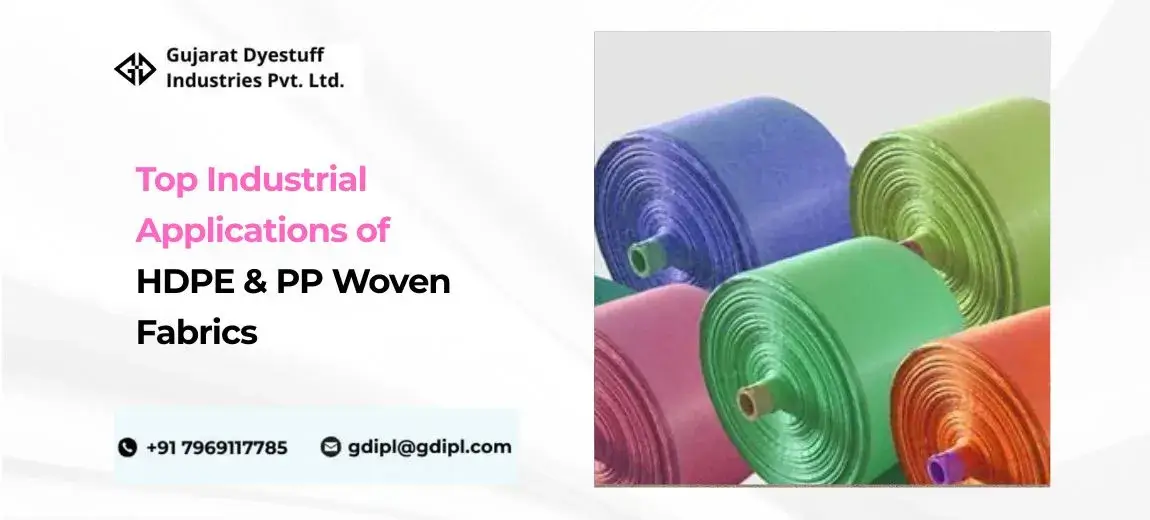
Top Industrial Applications of HDPE & PP Woven Fabrics
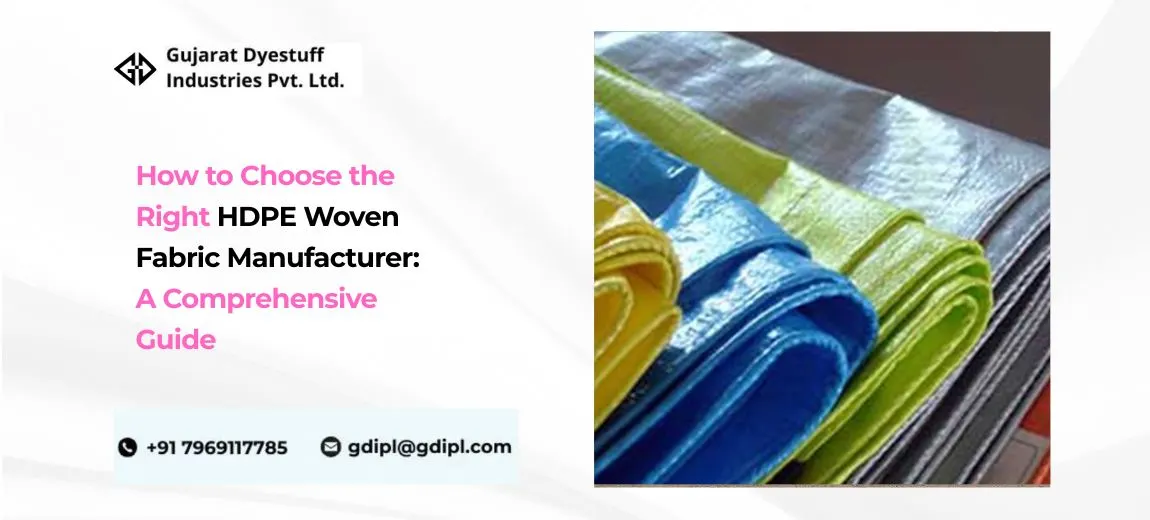
Previous PostHow to Choose the Right HDPE Woven Fabric Manufacturer: A Comprehensive Guide
Next Post