The Cost-Benefit Analysis of PP Woven Bags in Bulk Material Transport
March 16, 2026
Views : 1087
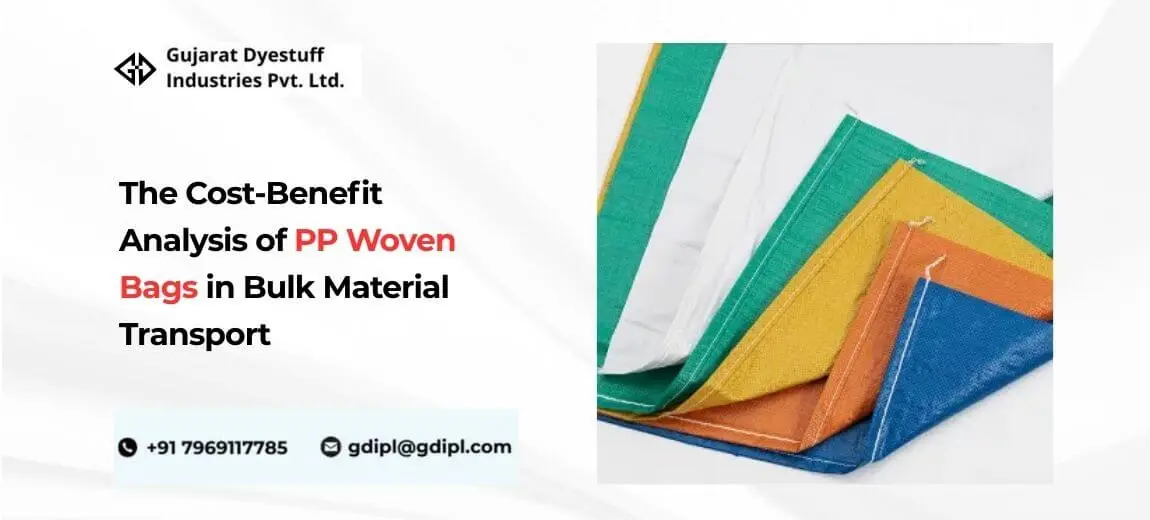
Transporting bulk materials efficiently is a key concern for industries such as agriculture, construction, chemicals, food processing, and logistics. Companies must choose packaging solutions that balance cost, durability, safety, and environmental considerations. One packaging option that has gained widespread adoption across industries is the PP Woven Bag.
PP woven bags, made from polypropylene tapes woven together to create strong and flexible packaging, offer a practical solution for transporting bulk materials such as grains, fertilizers, cement, sand, and chemicals. Businesses rely on these bags to protect goods during storage and transit while keeping packaging costs manageable.
This article explores the cost-benefit analysis of PP woven bags in bulk material transport, examining their economic advantages, industry trends, practical applications, and long-term benefits for businesses.
Understanding PP Woven Bags
What is a PP Woven Bag?
A PP Woven Bag is a packaging product made from polypropylene (PP) plastic fibers woven into a durable fabric structure. This structure gives the bag exceptional strength, flexibility, and resistance to wear.
These bags are commonly used in industries that require high load-bearing capacity and reliable packaging for bulk materials.
Key Characteristics of PP Woven Bags
PP woven bags provide several functional features that make them suitable for bulk material transport:
- High tensile strength for heavy loads
- Resistance to moisture and environmental exposure
- Lightweight design that reduces shipping costs
- Reusable and recyclable material composition
- Customizable sizes and printing options
According to the Plastics Industry Association, polypropylene packaging materials are widely used due to their durability and cost efficiency in industrial logistics.
Importance of Packaging in Bulk Material Transport
Packaging plays a critical role in ensuring that materials reach their destination safely and economically.
In bulk transportation, packaging must fulfill several requirements:
- Protect the product from contamination or damage
- Withstand mechanical stress during loading, unloading, and stacking
- Optimize storage space in warehouses and transport vehicles
- Reduce handling costs and labor requirements
For industries dealing with bulk goods, choosing the right packaging material directly affects operational efficiency and product integrity.
Industry Trends in Bulk Packaging
The global packaging industry has seen significant growth in demand for flexible and durable packaging materials.
Key industry trends include:
1. Growth in Industrial Packaging Demand
Industries such as agriculture and construction continue to expand, increasing the need for bulk packaging solutions.
According to Grand View Research, the global flexible packaging market is expected to grow significantly due to demand for lightweight and cost-efficient materials.
2. Focus on Cost Efficiency
Companies are increasingly looking for packaging solutions that reduce transportation costs without compromising product protection.
3. Sustainability Considerations
Businesses now consider environmental impact when selecting packaging materials. Polypropylene bags can be reused and recycled, which helps reduce waste in supply chains.
4. Custom Packaging Solutions
Manufacturers are offering customized PP woven bags tailored to specific industries and product requirements.
Cost Analysis of PP Woven Bags
Initial Manufacturing Cost
One of the major advantages of a PP Woven Bag is its relatively low production cost compared to rigid packaging options such as metal containers or plastic drums.
- The manufacturing process involves:
- Polypropylene resin processing
- Extrusion of PP tapes
- Weaving the tapes into fabric
- Bag cutting and stitching
This streamlined production process keeps manufacturing costs manageable, allowing businesses to purchase PP woven bags in large quantities at competitive prices.
Transportation Cost Savings
PP woven bags contribute to lower transportation costs because they are lightweight yet strong. This allows companies to transport more goods without significantly increasing shipping weight.
Cost advantages include:
- Reduced freight charges
- Better space utilization in transport vehicles
- Lower fuel consumption per unit transported
Storage Efficiency
PP woven bags are flexible and stackable, allowing efficient storage in warehouses. Businesses can maximize storage capacity and reduce the need for additional warehouse space.
Benefit Analysis of PP Woven Bags
1. Durability and Strength
The woven polypropylene structure provides excellent load-bearing capacity. These bags can carry heavy materials such as cement, grains, or fertilizers without tearing.
2. Moisture Resistance
PP woven bags provide protection against moisture, which is essential for transporting products like food grains or chemicals.
3. Reusability
Many industries reuse PP woven bags multiple times, extending their lifecycle and reducing overall packaging costs.
4. Customization Options
Manufacturers can customize PP woven bags based on:
- Size and weight capacity
- Laminated or non-laminated surfaces
- Printed branding or product information
This flexibility allows companies to tailor packaging to their operational needs.
5. Reduced Product Loss
Strong packaging helps prevent leakage, contamination, and spillage during transport, reducing product loss and improving supply chain reliability.
Practical Applications of PP Woven Bags
PP woven bags serve multiple industries due to their versatility.
Agriculture
Farmers and agricultural businesses use PP woven bags for storing and transporting:
- Rice
- Wheat
- Seeds
- Animal feed
Construction Industry
Construction companies rely on PP woven bags for materials such as:
- Cement
- Sand
- Gravel
- Chemical additives
Chemical Industry
Chemical manufacturers use these bags to transport powders, granules, and industrial compounds safely.
Food Industry
The food processing sector uses PP woven bags for products like sugar, flour, and other dry food ingredients.
Practical Guidance for Businesses
When selecting PP woven bags for bulk transport, companies should evaluate several factors:
Material Quality
Ensure the bags meet required strength standards for the specific product being transported.
Weight Capacity
Choose bags designed for the intended load weight to avoid breakage during transport.
Lamination Options
Laminated PP woven bags offer additional moisture protection.
Supplier Reliability
Partner with manufacturers that maintain consistent quality and comply with packaging regulations.
Benefits for Businesses and Supply Chains
Using PP woven bags in bulk material transport offers several long-term advantages for businesses.
Lower Operational Costs
- Reduced packaging costs
- Lower transportation expenses
- Minimal product damage
Improved Logistics Efficiency
Flexible packaging allows faster handling and storage.
Better Product Protection
Durable materials ensure goods remain intact throughout the supply chain.
Scalable Packaging Solutions
Businesses can easily scale packaging orders based on production needs.
Closing Thoughts
The cost-benefit analysis of PP woven bags in bulk material transport clearly demonstrates their value as an efficient and reliable packaging solution. Their combination of strength, flexibility, cost-effectiveness, and reusability makes them ideal for industries handling large quantities of materials.
As industries continue to prioritize efficiency and sustainability in logistics, PP woven bags remain a practical packaging choice for modern supply chains.
Businesses looking for durable and reliable packaging materials can benefit from high-quality solutions designed to meet diverse industrial needs.
Discover our range of industrial packaging materials at Gujarat Dyestuff Industries Pvt.Ltd and reach out through our Contact Us to find the right PP woven bag solution for your bulk material transport requirements.
Frequently Asked Questions
PP woven bags are commonly used for transporting bulk materials such as grains, fertilizers, cement, sand, chemicals, and food products.
They offer high strength, lightweight structure, moisture resistance, and cost efficiency, making them ideal for industrial logistics.
Yes, many PP woven bags can be reused multiple times depending on their material quality and usage conditions.
Their lightweight design allows businesses to transport more goods with less shipping weight, reducing freight costs.
PP woven bags are recyclable and reusable, which helps reduce packaging waste when managed properly.
How Chemical Resistance Determines Your Ideal Packaging Material
Previous PostExtending Product Shelf Life: Choosing Woven Sacks for Environmental Resilience
Next Post