Extending Product Shelf Life: Choosing Woven Sacks for Environmental Resilience
March 11, 2026
Views : 999
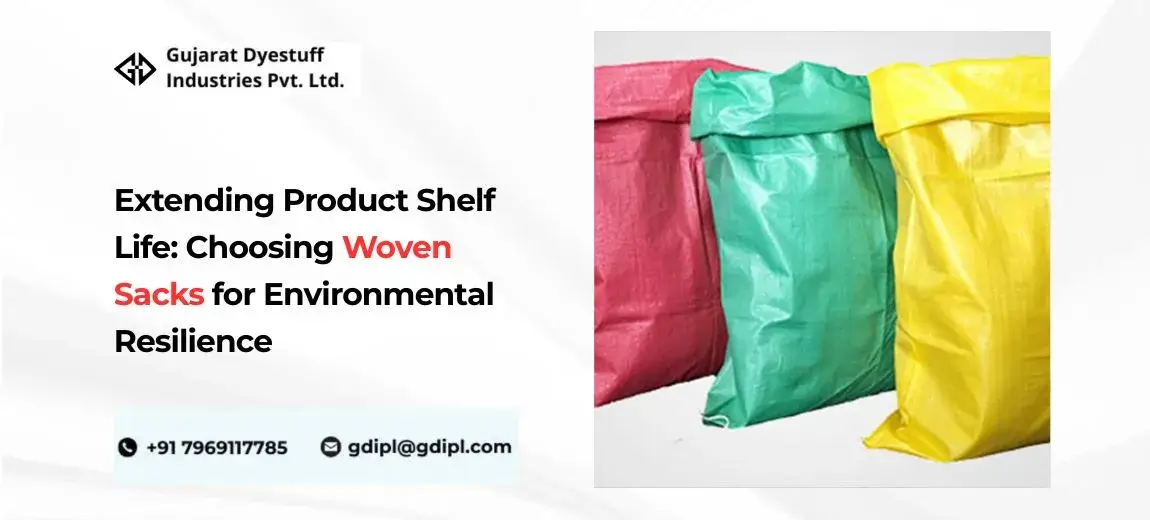
Product protection is one of the most critical aspects of supply chain management, especially for industries dealing with bulk materials such as grains, fertilizers, chemicals, construction materials, and food ingredients. Environmental exposure, poor storage conditions, and inadequate packaging can reduce product quality and shorten shelf life.
This is where woven sacks have become a trusted packaging solution across industries. Known for their durability, strength, and environmental resistance, woven sacks provide reliable protection during transportation and storage. Businesses that choose the right packaging materials can significantly reduce product damage and maintain quality throughout the supply chain.
In this blog, we will explore how woven sacks help extend product shelf life, key industry trends in packaging, and practical guidance for choosing the right sacks for environmental resilience.
Understanding Woven Sacks and Their Role in Product Protection
Woven sacks are typically made from polypropylene (PP) tapes that are woven together to form a strong and flexible packaging material. The weaving process creates a durable fabric-like structure that provides high tensile strength and resistance to tearing.
These sacks are widely used across multiple industries due to their ability to handle heavy loads while protecting the contents from environmental factors.
Common industries that rely on woven sacks include:
- Agriculture (rice, wheat, grains, seeds)
- Food processing
- Fertilizers and chemicals
- Animal feed
- Cement and construction materials
- Minerals and industrial powders
Compared to traditional plastic bags or paper sacks, woven sacks offer better durability, improved load-bearing capacity, and longer product protection.
Key Features of Woven Sacks
Some of the main features that make woven sacks a reliable packaging solution include:
- High tensile strength
- Tear and puncture resistance
- Lightweight yet durable structure
- Moisture protection with lamination options
- Breathability for agricultural products
- Reusability and recyclability
Because of these characteristics, woven sacks are widely used for transporting and storing products in challenging environmental conditions.
Why Environmental Resilience Matters in Packaging
Environmental resilience refers to the ability of packaging materials to withstand external factors that can compromise product quality.
Products stored or transported in bulk often face several risks, including:
- High humidity levels
- Temperature fluctuations
- Exposure to sunlight
- Mechanical stress during transportation
- Dust or contamination
If packaging fails to withstand these conditions, products may spoil, lose quality, or become unusable. This can lead to financial losses and operational disruptions.
How Woven Sacks Improve Environmental Resistance
Woven sacks are designed to protect materials through their strong structure and customizable features.
Some protective features include:
UV Stabilization
UV-treated woven sacks resist damage caused by long exposure to sunlight.
Laminated Coating
Lamination adds a protective layer that prevents moisture penetration.
Food-Grade Safety
Specially manufactured food-grade woven sacks maintain hygiene and protect edible products.
Ventilation Options
Breathable sacks allow airflow, preventing condensation and mold growth.
According to insights published by Packaging Europe, durable packaging solutions significantly reduce product spoilage and waste across supply chains.
Industry Trends in Woven Sack Packaging
The packaging industry continues to evolve as companies focus on durability, sustainability, and efficiency. Woven sacks have become an important part of modern bulk packaging solutions.
1. Sustainable Packaging Practices
Businesses are increasingly adopting recyclable and reusable packaging materials. Polypropylene woven sacks can be reused and recycled, reducing environmental impact.
Organizations such as the World Packaging Organisation emphasize sustainable packaging practices that minimize waste and improve resource efficiency.
2. Rising Demand in Agriculture
Agricultural exporters prefer woven sacks because they allow air circulation while protecting grains and seeds from contamination.
3. Increased Industrial Usage
Construction materials such as cement, sand, and minerals are commonly packaged in woven sacks due to their durability and high load capacity.
4. Customization and Branding
Manufacturers now offer woven sacks with customized printing, liners, anti-slip coatings, and UV protection layers. This helps companies enhance brand visibility while maintaining product protection.
How Woven Sacks Help Extend Product Shelf Life
One of the key advantages of woven sacks is their ability to maintain product stability over extended periods.
Protection from Moisture
Moisture is a major factor that causes product deterioration. Laminated woven sacks provide a protective barrier that prevents moisture from reaching the contents.
Strength During Transportation
Bulk materials are often stacked during storage and shipment. Woven sacks maintain structural integrity even under heavy loads, preventing breakage or leakage.
Breathability for Agricultural Products
Agricultural goods such as grains require proper ventilation to prevent mold growth. Woven sacks allow controlled airflow, helping preserve product quality.
Resistance to Physical Damage
The woven fabric structure offers superior resistance to tearing and punctures compared to many traditional packaging materials.
These benefits collectively help extend the shelf life of products during storage and transportation.
Practical Guidance for Choosing the Right Woven Sacks
Selecting the right woven sacks is important for ensuring product safety and supply chain efficiency.
Consider the Type of Product
Different products require specific packaging features.
Examples include:
- Food products require food-grade woven sacks
- Chemicals require laminated sacks
- Agricultural goods benefit from breathable woven sacks
Evaluate Storage Conditions
Businesses should consider environmental factors such as:
- Exposure to sunlight
- Humidity levels
- Outdoor storage conditions
If the sacks will be exposed to sunlight, UV-stabilized woven sacks should be selected.
Choose the Right Strength and Size
The weight of the product and stacking requirements should determine sack thickness and weaving density.
Verify Manufacturer Quality Standards
Reliable manufacturers follow strict quality control standards to ensure consistent strength, safety, and durability.
Benefits of Woven Sacks for Businesses
Woven sacks provide several advantages that make them a preferred packaging choice for businesses.
Cost-Effective Packaging
Compared to rigid containers, woven sacks provide durable packaging at a lower cost.
Efficient Logistics
Their lightweight design reduces transportation costs while allowing easy stacking and storage.
Product Protection
Strong woven fibers protect materials from environmental exposure and physical damage.
Branding Opportunities
Companies can print their logos and product information directly on woven sacks, improving brand visibility.
Sustainable Packaging
Reusable and recyclable polypropylene sacks support environmentally responsible packaging practices.
Conclusion
Packaging plays a vital role in preserving product quality and extending shelf life, especially for bulk goods exposed to environmental challenges. Woven sacks offer an effective solution because of their strength, durability, breathability, and resistance to environmental factors.
By choosing the right woven sacks, businesses can reduce product damage, improve supply chain efficiency, and maintain consistent product quality during transportation and storage.
For businesses seeking durable packaging solutions designed for environmental resilience, Gujarat Dyestuff Industries Pvt.Ltd provides high-quality woven sacks tailored to the needs of modern industries.
Call to Action
Discover reliable and durable packaging solutions with Gujarat Dyestuff Industries Pvt.Ltd. Contact our team today to learn how woven sacks can protect your products and enhance your supply chain efficiency.
Frequently Asked Questions
They protect products from moisture, contamination, and physical damage during storage and transportation.
They protect products from moisture, contamination, and physical damage during storage and transportation.
Yes, specially manufactured food-grade woven sacks are designed to safely store and transport food materials.
Yes, polypropylene woven sacks are durable and can often be reused multiple times depending on the application.
Businesses should consider product type, environmental conditions, sack strength, UV protection, and moisture resistance.
The Cost-Benefit Analysis of PP Woven Bags in Bulk Material Transport
Previous PostArching and Ratholing: Troubleshooting Common Bulk Material Flow Issues
Next Post