Arching and Ratholing: Troubleshooting Common Bulk Material Flow Issues
February 24, 2026
Views : 1128
Bulk material handling is the backbone of industries such as chemicals, food processing, pharmaceuticals, agriculture, mining, and construction. Yet, one persistent challenge continues to disrupt operations: poor material flow. Two of the most common and costly flow problems are arching and ratholing.
If not addressed properly, these issues can reduce productivity, increase downtime, damage equipment, and compromise safety. In this guide, we break down what arching and ratholing are, why they occur, and how industries can troubleshoot and prevent them effectively. Whether you are a plant manager, operations head, procurement professional, or industrial engineer, this article will help you make informed decisions that improve efficiency and reduce operational risk.
Understanding Bulk Material Flow in Industrial Operations
Bulk materials such as powders, granules, pellets, and flakes behave differently depending on their physical properties. Factors like particle size, moisture content, cohesiveness, and temperature influence how they move through hoppers, silos, and storage containers.
According to research from institutions like the Jenike & Johanson bulk solids handling group, improper hopper design and poor understanding of material properties are leading causes of flow obstructions in industrial systems. When materials stop flowing as expected, production lines halt—and costs escalate.
Two of the most common flow problems are:
- Arching (Bridging)
- Ratholing
Understanding these issues is the first step toward solving them.
What Is Arching (Bridging)?
Arching occurs when bulk material forms a stable bridge or arch across the outlet of a hopper or silo. This arch prevents material from flowing downward, effectively blocking discharge.
Why Arching Happens
Arching typically occurs due to:
- High material cohesiveness
- Small outlet openings
- Poor hopper angle design
- Moisture or compaction
- Irregular particle size distribution
When the strength of the material exceeds the stress applied by gravity, it forms a self-supporting structure over the outlet.
Operational Impact of Arching
- Sudden production stoppages
- Manual intervention requirements
- Equipment damage due to forceful clearing
- Increased labor and safety risks
Arching is especially common in fine powders, damp materials, and cohesive chemical compounds.
What Is Ratholing?
Ratholing occurs when material flows through a narrow channel above the outlet, leaving stagnant material along the silo walls. Over time, this creates a hollow “rat hole” in the center while the rest of the material remains stationary.
Why Ratholing Occurs
Ratholing often results from:
- Funnel flow patterns
- Large silo diameters
- Cohesive materials
- Insufficient wall angles
- Poor discharge design
Unlike arching, ratholing does not completely block flow initially. However, as stagnant material remains unused, it can harden, degrade, or even collapse unpredictably.
Risks Associated with Ratholing
- Material spoilage
- Inconsistent product quality
- Reduced storage capacity
- Structural stress on silos
- Worker safety hazards during cleanup
Industries handling cement, fertilizers, pigments, and food powders frequently encounter this issue.
Why Addressing Arching and Ratholing Is Critical
Ignoring these flow problems can result in:
- Increased downtime
- Higher maintenance costs
- Loss of raw materials
- Workplace accidents
- Reduced operational efficiency
In competitive industrial markets, efficiency directly impacts profitability. That is why leading manufacturers invest in better storage design, material testing, and handling systems.
Industry Trends and Key Insights in Bulk Material Handling
Modern bulk handling systems are evolving. Industry leaders are focusing on:
1. Flow Property Testing
Before designing storage systems, companies now conduct shear testing and flow function analysis. Organizations like Jenike & Johanson emphasize testing materials under expected storage conditions to design mass flow systems.
2. Mass Flow Hopper Design
Mass flow ensures that all material moves whenever discharge begins. This eliminates stagnant zones and significantly reduces ratholing.
3. Advanced Storage Solutions
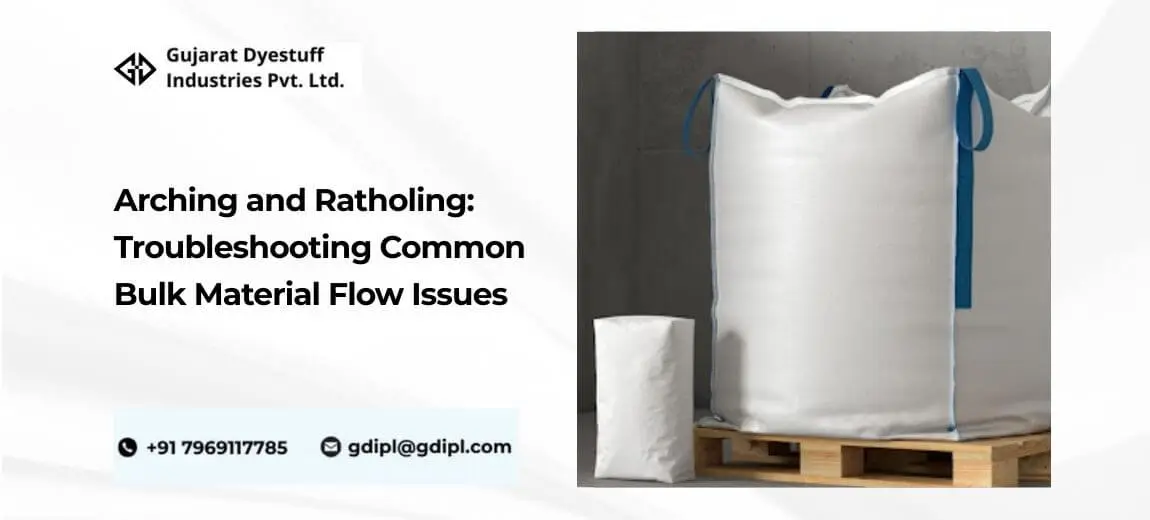
Industries increasingly rely on flexible intermediate bulk containers (FIBC Bags) for safer and more controlled material handling. These containers:
- Reduce contamination
- Improve discharge control
- Minimize compaction
- Offer easier handling compared to rigid silos in certain applications
When properly designed, FIBC Bags can reduce bridging by promoting uniform discharge.
4. Automation and Monitoring
Sensors and flow aids such as vibration systems, aeration pads, and flow-promoting inserts are becoming standard in modern plants.
Practical Troubleshooting Guide
Here are proven strategies to resolve arching and ratholing:
Step 1: Evaluate Material Properties
Analyze:
- Particle size distribution
- Moisture content
- Bulk density
- Cohesive strength
Testing helps determine whether the issue is material-based or design-based.
Step 2: Modify Hopper Design
For arching prevention:
- Increase outlet diameter
- Adjust hopper angle
- Implement mass flow design
For ratholing prevention:
- Reduce hopper wall friction
- Install steeper cone angles
- Ensure full cross-sectional flow
Step 3: Install Flow Aids
Consider:
- Vibrators
- Air cannons
- Fluidizing pads
- Mechanical agitators
However, flow aids should support proper design—not replace it.
Step 4: Use Proper Bulk Containers
Switching to optimized packaging solutions like FIBC Bags can help manage discharge more effectively. Modern designs allow controlled bottom discharge, reducing the likelihood of blockages.
Step 5: Maintain Consistent Storage Conditions
Control:
- Humidity
- Temperature
- Storage duration
Long storage periods increase compaction and moisture-related issues.
Benefits of Solving Bulk Flow Problems
When industries proactively address arching and ratholing, they gain:
1. Higher Productivity
Smooth material flow keeps production lines running without interruption.
2. Reduced Operational Costs
Lower downtime and less manual intervention reduce maintenance expenses.
3. Improved Worker Safety
Eliminating the need for manual unclogging reduces accident risks.
4. Better Product Quality
Consistent material discharge ensures uniform blending and processing.
5. Optimized Inventory Utilization
Mass flow design prevents material stagnation and waste.
Best Practices for Long-Term Prevention
To maintain efficient bulk handling systems:
- Conduct flow property testing before system design
- Invest in proper engineering consultation
- Regularly inspect storage equipment
- Train staff on early warning signs
- Partner with experienced bulk packaging manufacturers
These practices align with global industrial standards and ensure compliance with safety regulations.
Closing Thoughts
Arching and ratholing are not minor inconveniences—they are structural challenges rooted in material science and engineering design. By understanding material behavior, optimizing storage systems, and investing in proper packaging solutions like FIBC Bags, industries can significantly reduce downtime and operational risks.
Proactive troubleshooting not only protects equipment and personnel but also improves efficiency, product quality, and long-term profitability.
At Gujarat Dyestuff Industries Pvt.Ltd, we understand the complexities of bulk material handling and the importance of reliable storage and packaging solutions. Our expertise supports industries in achieving safer, smoother, and more efficient operations.
If you are facing bulk material flow challenges or looking to optimize your storage systems, contact our team today to explore practical and cost-effective solutions tailored to your industrial needs.
Frequently Asked Questions
Arching is caused by cohesive material forming a stable bridge across the outlet, often due to small discharge openings or poor hopper design.
Arching blocks material completely, while ratholing allows partial flow through a narrow channel, leaving stagnant material behind.
Yes, properly designed FIBC Bags promote controlled discharge and reduce compaction-related blockages.
Proper design is critical, but material testing and environmental control are equally important.
Mass flow ensures all material moves uniformly, preventing stagnant zones and reducing the risk of ratholing.

Extending Product Shelf Life: Choosing Woven Sacks for Environmental Resilience
Previous PostPreventative Measures: Mitigating the Risk of Bulk Solids Degradation During Transport
Next Post