Preventative Measures: Mitigating the Risk of Bulk Solids Degradation During Transport
February 17, 2026
Views : 1235
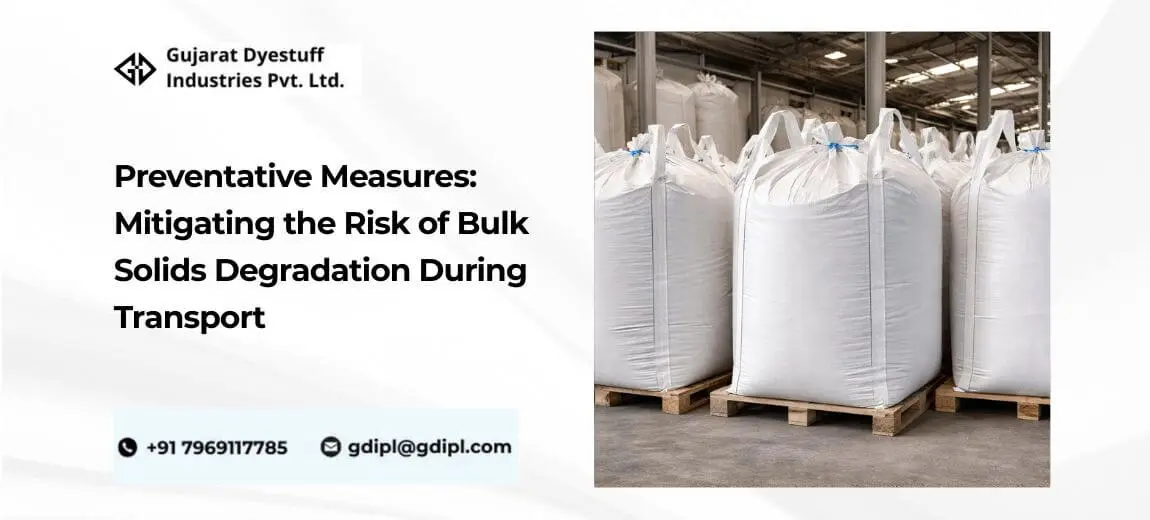
Transporting bulk solids such as chemicals, food grains, minerals, fertilizers, and polymers is a critical part of many industries. However, degradation during storage and transit can lead to financial losses, compromised quality, safety hazards, and reputational damage. Businesses that handle bulk materials must adopt preventative measures to protect product integrity throughout the supply chain.
In this blog, we explore the causes of bulk solids degradation, industry trends in safe transport, and practical solutions—including the role of FIBC Bags—in minimizing risks. Whether you are a procurement manager, logistics professional, or industrial buyer, this guide will help you make informed decisions that safeguard your materials and optimize operational efficiency.
Understanding Bulk Solids Degradation
Bulk solids degradation refers to the physical, chemical, or structural changes that occur in materials during storage or transportation. These changes can affect product quality, performance, and usability.
Common Types of Degradation
- Moisture absorption leading to clumping or caking
- Contamination from external particles or pollutants
- Temperature fluctuations affecting material properties
- Mechanical damage from improper handling
- Oxidation or chemical reactions due to exposure to air
For industries such as agriculture, chemicals, pharmaceuticals, and construction, even minor degradation can disrupt production schedules and lead to rejected consignments.
According to the Food and Agriculture Organization (FAO), post-harvest losses due to improper storage and transport account for significant economic setbacks globally. Similarly, chemical manufacturers must comply with strict safety and quality standards set by regulatory authorities such as OSHA and ISO.
Why Preventative Measures Matter
1. Protecting Product Quality
Maintaining product integrity ensures that materials meet required specifications upon delivery. This is especially important for hygroscopic materials, powders, and granules.
2. Reducing Financial Losses
Degraded goods may require disposal or reprocessing. Preventative packaging solutions reduce the risk of costly returns and operational downtime.
3. Ensuring Regulatory Compliance
Industries dealing with chemicals or food-grade materials must comply with safety and quality regulations. Proper packaging and transport practices help meet these requirements.
4. Enhancing Brand Reputation
Consistent quality strengthens customer trust. Buyers prefer suppliers who demonstrate reliability and robust logistics standards.
Key Causes of Bulk Solids Degradation During Transport
Understanding the root causes helps businesses implement effective preventative strategies.
Environmental Factors
- Humidity and moisture ingress
- Extreme heat or cold
- UV exposure
Mechanical Stress
- Vibrations during transit
- Improper stacking
- Rough handling during loading and unloading
Storage Duration
Prolonged storage without climate control increases the risk of compaction and chemical instability.
Packaging Failures
Weak or inappropriate packaging materials fail to provide adequate protection.
The Role of FIBC Bags in Risk Mitigation
Flexible Intermediate Bulk Containers (FIBC Bags), commonly known as jumbo bags, play a crucial role in protecting bulk solids during transportation.
Why FIBC Bags Are Effective
- High load-bearing capacity
- Customizable liner options
- Moisture-resistant coatings
- Anti-static properties for hazardous materials
- Easy handling with forklift or crane
Well-designed FIBC Bags provide a barrier against contamination and environmental damage while maintaining structural integrity under heavy loads.
According to industry reports from organizations such as the Flexible Intermediate Bulk Container Association (FIBCA), modern FIBC solutions significantly improve material safety and transport efficiency when manufactured to ISO standards.
Practical Preventative Measures for Safe Bulk Transport
Below are actionable strategies that companies can implement to mitigate degradation risks.
1. Choose the Right Packaging
Selecting appropriate packaging is the foundation of protection. When evaluating FIBC Bags or other bulk containers, consider:
- Material compatibility
- Static control requirements
- Moisture barrier properties
- Load capacity
- Liner integration
Work with experienced manufacturers who understand industry-specific requirements.
2. Implement Moisture Control
Moisture is one of the most common causes of degradation.
- Use moisture-resistant liners inside FIBC Bags
- Add desiccants when required
- Store goods in climate-controlled facilities
3. Ensure Proper Handling and Loading
Train staff to handle bulk containers carefully.
- Avoid overfilling bags
- Ensure balanced lifting
- Use pallets when necessary
- Secure cargo properly inside transport vehicles
4. Maintain Optimal Storage Conditions
Control temperature and humidity levels in warehouses and transit containers. Use monitoring systems to detect environmental changes in real time.
5. Conduct Regular Quality Checks
Before dispatch:
- Inspect packaging integrity
- Verify closure systems
- Check labeling and documentation
Routine audits help identify potential weaknesses in logistics processes.
Industry Trends in Bulk Material Protection
The bulk transport industry is evolving to meet higher quality and sustainability standards.
Increased Focus on Sustainability
Many companies now prioritize recyclable and reusable FIBC Bags. Sustainable packaging solutions reduce environmental impact while maintaining performance.
Smart Packaging Solutions
Advanced monitoring systems track temperature and humidity during transit. These technologies help companies respond proactively to risk conditions.
Regulatory Compliance and Certifications
International buyers demand compliance with ISO, UN, and other standards. Manufacturers that adhere to global certifications gain a competitive advantage.
Customization and Material Innovation
Modern FIBC Bags come with specialized coatings, liners, and anti-static features tailored to specific industries such as chemicals and food processing.
Benefits for Industrial Buyers and Logistics Managers
Adopting preventative measures provides measurable advantages.
Operational Efficiency
- Reduced product loss
- Fewer rejected shipments
- Improved supply chain reliability
Cost Savings
Preventing degradation minimizes waste, reduces insurance claims, and lowers reprocessing expenses.
Safety Assurance
Proper packaging reduces risks of spills, contamination, and hazardous exposure.
Stronger Business Relationships
Reliable delivery enhances long-term partnerships with clients and distributors.
Best Practices Checklist for Bulk Solids Transport
Use this quick reference checklist:
- Select high-quality FIBC Bags suited to material type
- Verify moisture resistance and liner compatibility
- Train logistics teams on proper handling
- Monitor environmental conditions
- Conduct pre-shipment inspections
- Partner with certified packaging manufacturers
Conclusion
Mitigating the risk of bulk solids degradation during transport requires a proactive and systematic approach. From understanding environmental risks to choosing the right packaging solution, every step matters. Modern FIBC Bags offer a reliable and efficient method to protect materials against moisture, contamination, and mechanical stress.
For businesses aiming to maintain quality, ensure compliance, and reduce losses, investing in preventative measures is not optional—it is essential. Gujarat Dyestuff Industries Pvt. Ltd provides high-quality packaging solutions designed to safeguard bulk materials throughout the supply chain.
To explore durable and reliable bulk packaging options, connect with Gujarat Dyestuff Industries Pvt. Ltd and discover how the right solutions can strengthen your logistics operations.
Frequently Asked Questions
Moisture, temperature changes, mechanical stress, and poor packaging are the main causes of bulk solids degradation.
FIBC Bags provide strong structural support, moisture resistance, and customizable liners to protect materials during transit.
Moisture can cause clumping, spoilage, or chemical reactions that reduce product quality and usability.
Yes, specialized anti-static and UN-certified FIBC Bags are designed for safe transport of hazardous materials.
Industries such as agriculture, chemicals, pharmaceuticals, construction, and food processing benefit significantly.
Arching and Ratholing: Troubleshooting Common Bulk Material Flow Issues
Previous PostIs Your Supply Chain Fragmented? The Problem with Inconsistent Packaging Record-Keeping
Next Post