Is Your Supply Chain Fragmented? The Problem with Inconsistent Packaging Record-Keeping
February 10, 2026
Views : 1286
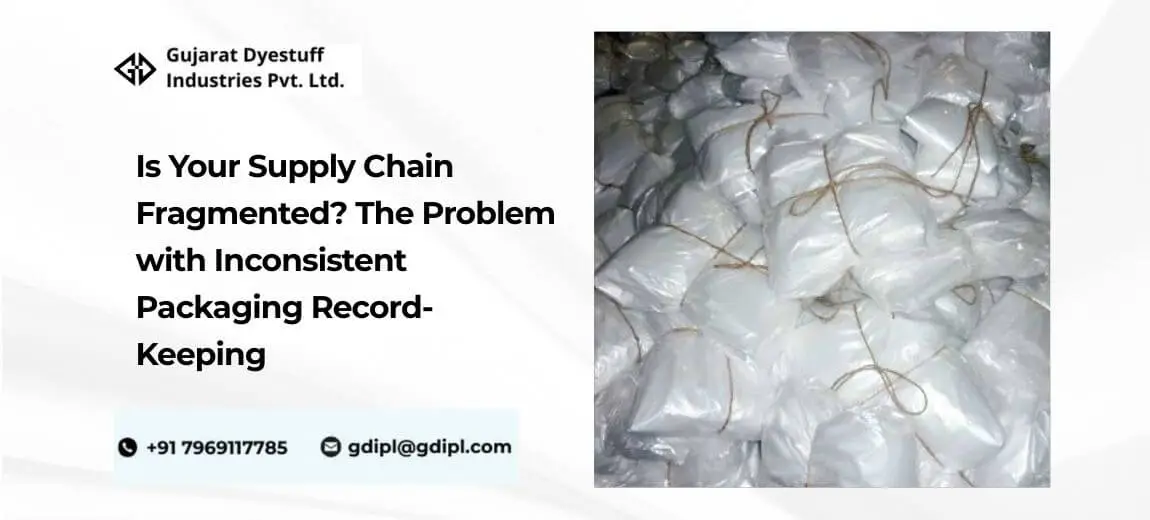
In the fast-paced world of supply chain management, efficiency and organization are crucial for ensuring smooth operations. However, one of the most overlooked areas that can contribute to supply chain fragmentation is inconsistent packaging record-keeping. Whether you’re a manufacturer, distributor, or retailer, maintaining proper packaging records is essential for smooth and effective supply chain management.
In this blog, we’ll explore why fragmented supply chains and inconsistent packaging record-keeping are a growing problem for businesses. We’ll also discuss practical solutions and the key role of packaging materials like LD liners in streamlining your operations. Let’s dive in.
The Importance of Consistent Packaging Record-Keeping
Packaging is a critical part of the supply chain. It not only protects products during transit but also ensures that the products are delivered to the right locations and in optimal condition. However, without proper packaging record-keeping, businesses face a variety of issues, from lost inventory to costly shipping errors.
Why is Packaging Record-Keeping Important?
- Traceability: Proper record-keeping ensures that each product can be traced through its entire journey—from the manufacturing facility to the final customer. This is essential for quality control and ensuring that each product meets industry standards.
- Regulatory Compliance: Many industries, particularly those dealing with food, pharmaceuticals, and chemicals, have strict packaging and labeling requirements. Inconsistent packaging records can lead to compliance violations, which can result in fines or product recalls.
- Cost Efficiency: By keeping accurate packaging records, businesses can better plan for inventory, shipping, and distribution. This prevents overproduction, stockouts, and delays, leading to more efficient and cost-effective supply chains.
- Customer Satisfaction: Proper packaging ensures that goods arrive safely and on time. Without accurate records, shipments may be delayed, damaged, or misplaced, leading to dissatisfied customers.
The Problem with Fragmented Supply Chains
A fragmented supply chain occurs when different parts of the process—whether it’s manufacturing, distribution, or retail—are not connected or are poorly integrated. This lack of cohesion leads to inefficiencies, communication breakdowns, and ultimately, higher costs.
Inconsistent packaging record-keeping is one of the main contributors to this fragmentation. Without a unified system for tracking packaging, businesses may face:
- Data Silos: Different departments or partners may store packaging information in different systems, making it difficult to access and manage.
- Inefficient Communication: If the right packaging information isn't readily available, miscommunication can occur, leading to mistakes and delays.
- Inventory Discrepancies: Inconsistent records can result in mismatches between the actual inventory and what is recorded, causing confusion and errors in order fulfillment.
Industry Trends and Key Insights
The packaging industry has evolved significantly in recent years. From sustainable packaging materials to smarter packaging solutions, the industry is moving towards greater efficiency and sustainability. However, packaging record-keeping remains a challenge for many businesses.
The Rise of Digital Solutions
Many companies are now adopting digital solutions to address the issue of inconsistent packaging records. Technologies like RFID (Radio Frequency Identification) and barcode scanning allow businesses to track packaging and shipments in real time. By automating record-keeping, companies can reduce the risk of human error and improve data accuracy.
The Growing Importance of Sustainability
As sustainability becomes a priority for businesses and consumers, the need for accurate packaging record-keeping has intensified. Companies are increasingly turning to eco-friendly materials like LD liners for their packaging. These liners are known for their strength and ability to protect products during transit while being more environmentally friendly compared to traditional plastic packaging.
The growing focus on sustainability also means that packaging records must include detailed information on the materials used, including certifications for environmentally friendly packaging.
Practical Guidance: How to Fix the Problem of Inconsistent Packaging Record-Keeping
To avoid the negative consequences of inconsistent packaging record-keeping, businesses must implement a streamlined process that integrates packaging information across the supply chain. Here are some practical steps to help address this issue:
1. Adopt Digital Record-Keeping Systems
One of the most effective ways to eliminate fragmentation in packaging records is to adopt a centralized, digital record-keeping system. This can be a cloud-based solution that integrates all departments and stakeholders, allowing everyone to access the same information in real time. This ensures that the packaging records are accurate and up to date at all times.
Many businesses are now using inventory management software or Enterprise Resource Planning (ERP) systems that integrate packaging data with other supply chain information. These systems can automatically update packaging records, reducing the chance of errors.
2. Standardize Packaging Processes Across the Supply Chain
Consistency is key when it comes to packaging record-keeping. To streamline processes, businesses should standardize their packaging procedures. This includes using consistent labeling, packaging sizes, and tracking methods. When everyone involved in the supply chain follows the same guidelines, packaging records will be more accurate and reliable.
For example, companies can standardize the use of LD liners for packaging sensitive products. LD liners not only protect the products but also allow for easier tracking and management. By using the same packaging material across the supply chain, it’s easier to maintain consistent records.
3. Integrate Packaging Records with Other Supply Chain Data
To avoid data silos, packaging records should be integrated with other supply chain data. For instance, combining packaging records with inventory data allows businesses to get a comprehensive view of their operations, which can help with decision-making and forecasting.
Additionally, integrating packaging records with shipment tracking systems ensures that all parties involved in the supply chain—from suppliers to distributors to retailers—have access to the same packaging information. This improves coordination and reduces the chances of errors or delays.
Benefits of Streamlined Packaging Record-Keeping for Your Business
By addressing the issue of inconsistent packaging record-keeping, businesses can enjoy a range of benefits:
- Improved Efficiency: With accurate and consistent records, businesses can streamline their operations, leading to fewer delays and a more efficient supply chain.
- Cost Savings: Reducing errors and improving communication leads to cost savings across the supply chain, from production to distribution.
- Enhanced Compliance: Accurate packaging records ensure that businesses meet regulatory requirements, reducing the risk of fines or product recalls.
- Better Customer Experience: Timely and safe deliveries lead to satisfied customers, improving loyalty and brand reputation.
Closing Thoughts
Inconsistent packaging record-keeping is a significant issue that contributes to fragmented supply chains. By adopting digital solutions, standardizing packaging processes, and integrating packaging records with other supply chain data, businesses can streamline their operations and avoid costly errors.
Additionally, using packaging materials like LD liners not only provides protection for products but also helps businesses meet sustainability goals.
For businesses looking to improve their packaging practices, Gujarat Dyestuff Industries Pvt. Ltd. offers a range of high-quality packaging solutions, including LD liners, to help you maintain consistency and improve supply chain efficiency.
Contact us today for more information about how we can help streamline your packaging processes and reduce supply chain fragmentation.
Frequently Asked Questions
Packaging record-keeping ensures traceability, regulatory compliance, cost efficiency, and customer satisfaction by maintaining accurate and organized data on product packaging.
Adopt a centralized digital system like ERP software that integrates packaging data with other supply chain information for real-time updates and consistency.
LD liners are lightweight, durable materials used for packaging sensitive products. They help protect goods during transit and improve tracking and record-keeping.
Natural sunflower oil is eco-friendly and can be used in packaging materials, providing strength, protection, and sustainability in the supply chain.
By streamlining packaging record-keeping processes, standardizing packaging practices, and adopting digital solutions, businesses can reduce errors and associated costs.
Preventative Measures: Mitigating the Risk of Bulk Solids Degradation During Transport
Previous PostProtecting Sensitive Materials: The Role of LD Liners in Moisture Prevention
Next Post