Protecting Sensitive Materials: The Role of LD Liners in Moisture Prevention
February 7, 2026
Views : 1224
In many industries, the protection of sensitive materials is paramount. Whether it’s food products, pharmaceuticals, or electronics, these materials must be shielded from various environmental factors, with moisture being one of the most significant threats. Moisture can compromise the integrity, quality, and usability of goods, making effective moisture control essential. In this blog, we will explore the critical role of LD liners in preventing moisture damage and how they offer a reliable solution for businesses looking to protect their products during storage and transport.
Importance of Moisture Prevention in Industry
Moisture can be a silent destroyer, impacting products in numerous ways:
- Chemical degradation: Sensitive materials, especially in the pharmaceutical or food industries, can experience chemical reactions when exposed to moisture, leading to degradation and loss of potency.
- Physical damage: Items like electronics, textiles, and industrial components can corrode or weaken when exposed to humidity, leading to malfunction or a decrease in lifespan.
- Contamination risk: In many industries, exposure to moisture can increase the risk of contamination, which could lead to product recalls or failure to meet regulatory standards.
In industries that handle sensitive materials, effective moisture control isn’t just a preference—it’s a necessity to ensure the quality, safety, and compliance of products.
Industry Trends and Key Insights
The global demand for packaging solutions that protect materials from moisture has been on the rise. As industries like food and beverage, pharmaceuticals, and electronics continue to expand, businesses are seeking packaging solutions that are more efficient, cost-effective, and environmentally friendly.
- Growth of the packaging market: The packaging industry, including solutions like LD liners, is projected to grow significantly over the next few years, driven by the increasing need for packaging that prevents moisture and other contaminants.
- Shift to sustainable solutions: Many companies are looking for eco-friendly materials and packaging solutions. LD liners, made from low-density polyethylene (LDPE), offer a great solution since they are recyclable and provide effective moisture protection.
- Technological advancements: New technologies in packaging, including smart moisture-sensitive packaging, are enhancing the ability to track and monitor moisture levels, making it easier for businesses to safeguard their products.
The growing concern for product integrity, combined with innovations in packaging technology, highlights the increasing importance of moisture prevention in the global supply chain.
How LD Liners Protect Sensitive Materials
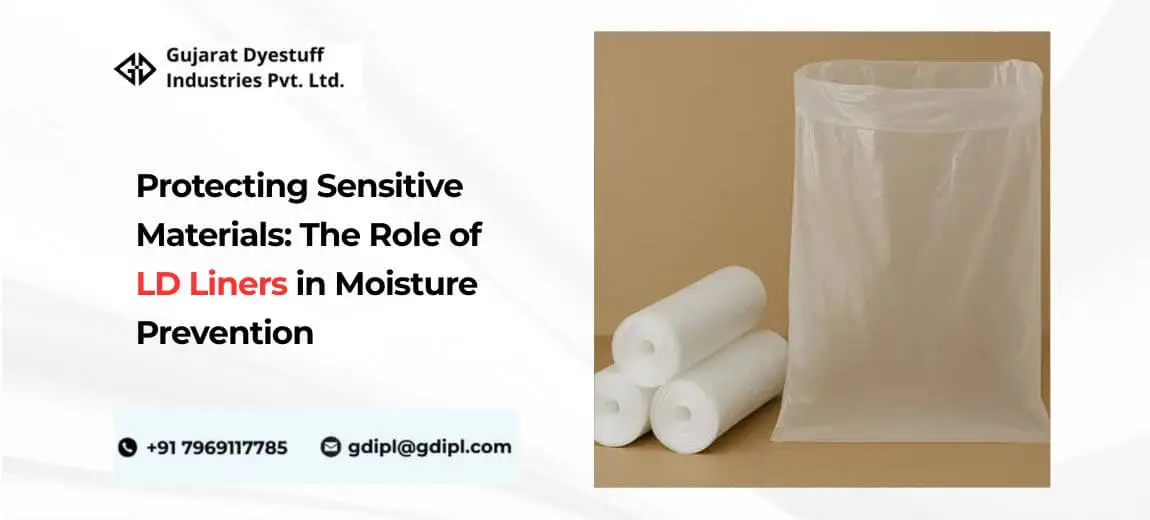
LD liners (Low-Density Liners) are specialized packaging materials that play a crucial role in moisture prevention. These liners are typically used in conjunction with other packaging systems to offer a high level of protection for sensitive materials during transit and storage.
Here’s how LD liners provide effective moisture protection:
- Moisture Barrier: LD liners are made from low-density polyethylene, a plastic material known for its moisture-resistant properties. This makes them an ideal choice for preventing moisture from seeping into the packaging and damaging the contents.
- Flexibility and Durability: LD liners are flexible, allowing them to conform to the shape of the materials they’re protecting. This flexibility ensures that sensitive items, like food or electronics, are fully enclosed and shielded from external elements.
- Cost-Effective Solution: LD liners are a cost-effective way to ensure moisture protection, especially when compared to other specialized packaging options. Their affordability makes them an attractive choice for companies looking to protect sensitive materials without increasing costs.
- Versatility: LD liners can be used for a wide range of products, from food and pharmaceuticals to industrial parts. Their versatility in different environments and applications makes them a go-to choice for businesses in various industries.
- Lightweight Nature: Despite their robust moisture protection, LD liners are lightweight. This is an important feature when shipping products globally, as it reduces shipping costs and ensures the protection doesn’t add unnecessary weight to the shipment.
Practical Guidance for Implementing LD Liners
If you're looking to incorporate LD liners into your packaging strategy, consider the following best practices:
- Ensure Proper Sizing: To maximize the effectiveness of LD liners, it’s important to select the correct size. The liner should completely encase the material to provide optimal protection against moisture and contaminants.
- Use in Combination with Other Packaging: For added protection, LD liners can be combined with other packaging materials, such as bubble wrap or corrugated boxes. This layered approach enhances overall durability.
- Storage and Handling: Even though LD liners offer moisture protection, proper storage conditions are still crucial. Ensure that goods stored with LD liners are kept in a dry environment to avoid potential damage.
- Select Sustainable Options: As businesses become more eco-conscious, selecting LD liners that are recyclable can contribute to a greener, more sustainable operation.
Benefits for the Target Audience
For industries that rely on the transportation and storage of sensitive materials, LD liners offer numerous advantages:
- Cost Savings: LD liners provide an affordable way to prevent moisture-related damage, ultimately saving businesses money by reducing product loss, spoilage, and waste.
- Improved Product Quality: By ensuring materials are shielded from moisture, LD liners help preserve the quality of products, reducing the risk of damage and contamination.
- Compliance Assurance: Industries like food and pharmaceuticals often face strict regulations for product safety and quality. LD liners help ensure compliance by providing an extra layer of protection against environmental hazards.
- Reduced Risk of Customer Complaints: By using LD liners to protect sensitive materials, businesses reduce the likelihood of returns, complaints, and product recalls caused by moisture damage.
Closing Thoughts
The role of LD liners in moisture prevention cannot be overstated. These versatile, cost-effective solutions offer reliable protection for sensitive materials, ensuring product quality and safety during transport and storage. As industries continue to evolve and face greater challenges in maintaining the integrity of their products, the importance of moisture control becomes increasingly crucial.
Gujarat Dyestuff Industries Pvt. Ltd. understands the need for reliable packaging solutions and offers a wide range of LD liners to protect your products. Whether you are in food, pharmaceuticals, or electronics, we are here to provide the packaging solutions that keep your materials safe from moisture.
If you're looking for a trusted provider of high-quality LD liners, Gujarat Dyestuff Industries Pvt. Ltd. is here to help. Contact us today to learn more about our moisture prevention solutions and how we can assist in safeguarding your products.
Frequently Asked Questions
LD liners are made from low-density polyethylene (LDPE), a plastic material known for its moisture-resistant properties.
LD liners act as a barrier that prevents moisture from seeping into sensitive materials during storage and transportation.
Yes, LD liners are recyclable, making them an eco-friendly packaging option for businesses looking to reduce their environmental impact.
Industries such as food, pharmaceuticals, electronics, and chemicals often use LD liners to protect sensitive materials from moisture damage.
Yes, LD liners are an affordable solution for businesses looking to protect their products without increasing shipping or packaging costs.
Is Your Supply Chain Fragmented? The Problem with Inconsistent Packaging Record-Keeping
Previous PostThe Role of PP/HDPE Woven Sacks in the Modern Packaging Industry
Next Post